
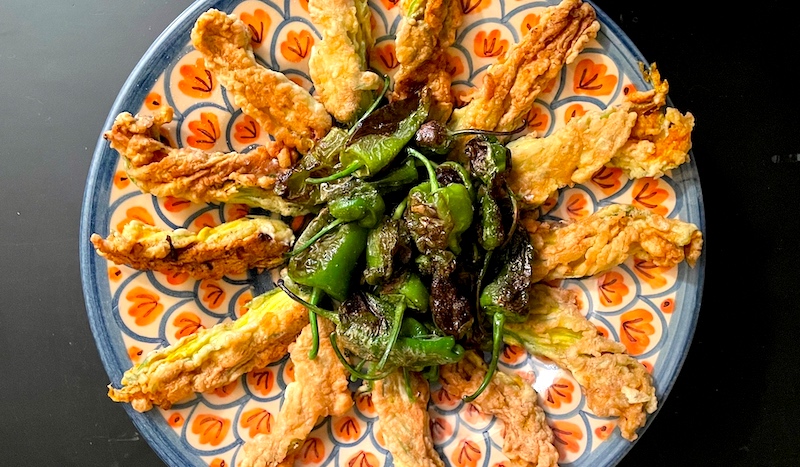
Following Summer's Lead: Fried Squash Blossoms a Fleeting Pleasure
My neighbors Bill and Jen, as I may have mentioned before, have an amazing garden where, on a typical Portland city lot, they grow enough herbs, vegetables and even fruit to pretty much last them through the winter. They also ferment a fair amount of the onions, beets and cukes in their raised beds, as well as canning and smoking albacore and salmon.
Needless to say, I'm gratified when they ask me to babysit their garden in the summer when they're out of town, harvesting whatever looks good—which is, needless to say, just about everything.
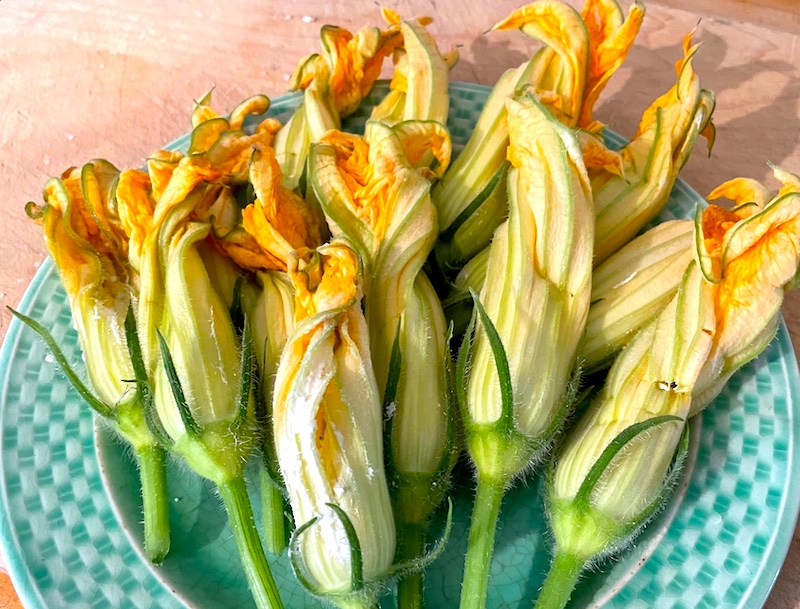
This last week they were visiting friends in Alaska who are fishing for salmon this time of year, so I was told to help myself to the beans, zukes, tomatoes and anything else that was ripening. The costata romanesco, a ribbed zucchini, my favorite type, and another variety, the rampicante, also delicious, were putting out flowers with abandon, so I snipped a dozen of the male flowers—not the ones that eventually grow a squash but are simply a flower on a stem—and brought them home.
I had a few padron peppers that had come with my CSA share from Cully Neighborhood Farm, so stuffed squash blossoms with blistered peppers sounded like a perfect snack for a leisurely happy hour on the patio. No recipe was required, just zhuzhing some cream cheese for stuffing into the blossoms, rolling them in flour and egg, then frying in hot oil. You could make a schmear with smoked fish, too, or combine herbs, chopped hot peppers and a melty cheese—think jalapeño poppers—or any other combination that appeals at the moment.
Inspiration is what this time of year is all about, so my advice is to get creative and make the most of the season. Time's a-wastin'!
Stuffed Squash Blossoms
10-12 squash blossoms
2 oz. cream cheese
1 green onion, green parts only, finely chopped
1 clove garlic, pressed (or mashed and finely chopped)
1-2 Tbsp. parmesan, finely grated
Salt
1/2 c. flour
2 eggs, whisked well
1/4 c. canola oil
In a small mixing bowl, combine the cream cheese, green onion, garlic and parmesan. Salt to taste. (As noted above, you can make the stuffing with whatever soft filling suits your fancy.)
Put the flour on a plate or flat-bottomed pan (like a cake pan or wide pasta bowl). Whisk the eggs in another cake pan or wide pasta bowl.
To prepare squash blossoms, take a paring knife and make a slit from the base to the top of one side of the blossom. Open the blossom carefully in order to remove the hard yellow anther—it is edible, so this is not strictly necessary, but I'm not fond of its texture. Then, depending on the size of the blossom, use anywhere from a teaspoon to a tablespoon to fill the base of the blossom. (It will take less than you think, and a little goes a long way.)
Fill all the blossoms, twisting the flower tops to help close the blossom, then heat the oil in a large frying pan until almost smoking (300° is the target temperature). While the oil heats, take four blossoms and roll them one at a time in the flour to coat, then roll each in the egg, then roll in the flour again. Make sure the slit in the blossom is closed so the filling won't leak out—this is why you don't want to overfill with stuffing—and place the blossoms in the hot oil. Fry until golden on one side, flip over with tongs and fry the other side. Repeat with remaining blossoms.
Shower lightly with salt and serve.

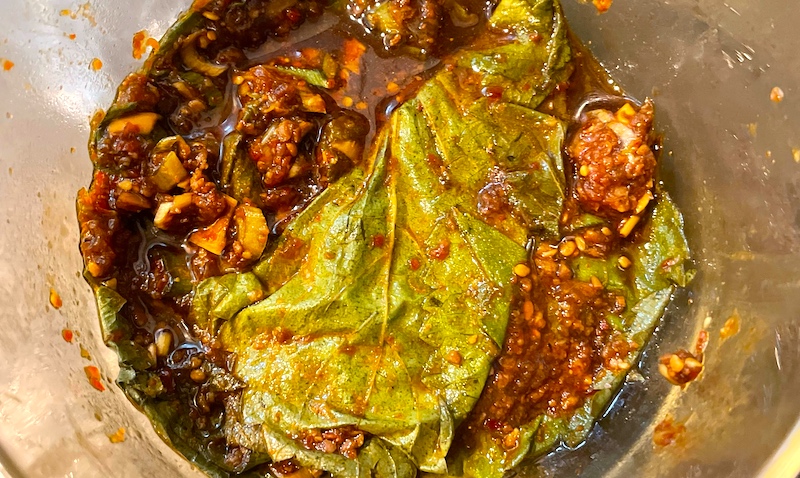
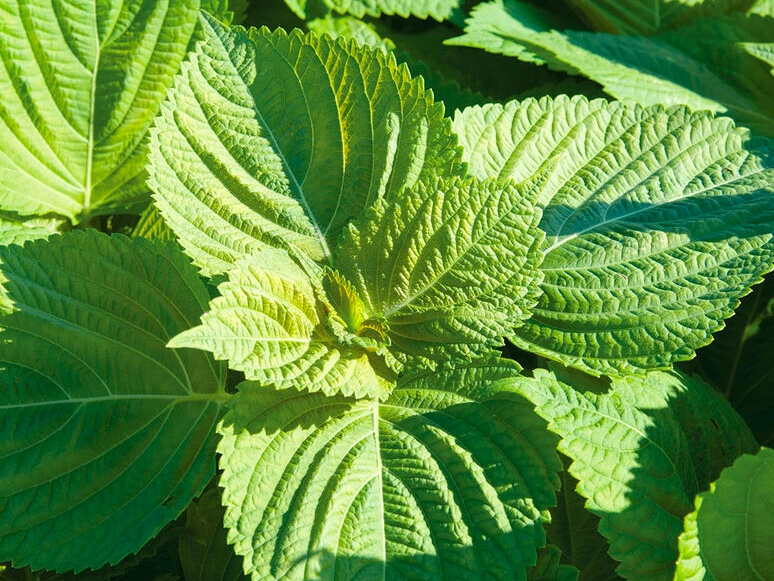 It's made using shiso leaves, halfway between a leafy green and an herb that the New York Times described as "a mysterious, bright taste that reminds people of mint, basil, tarragon, cilantro, cinnamon, anise or the smell of a mountain meadow after a rainstorm." (Ooooookay…?) I'd say it's flavor is on the same spectrum as cilantro: definitely pungent, with a slightly minty twang. Shiso is, for me, a little strong to use in a salad, for instance, but the process of fermentation and the other ingredients in the brine—soy, ginger, garlic and the Korean ground peppers called gochugaru—seem to tame its somewhat, shall we say, overpowering personality.
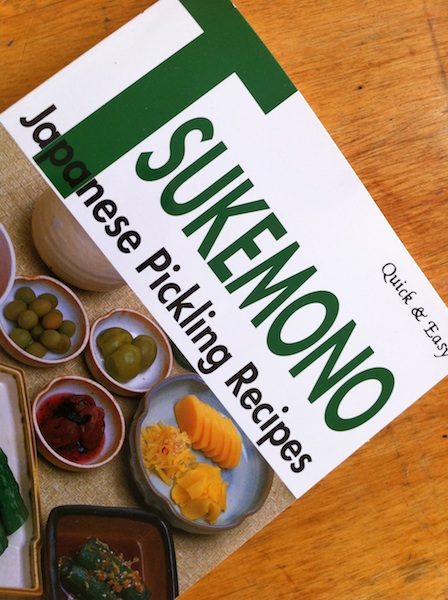 The recipe is adapted from a book I absolutely love,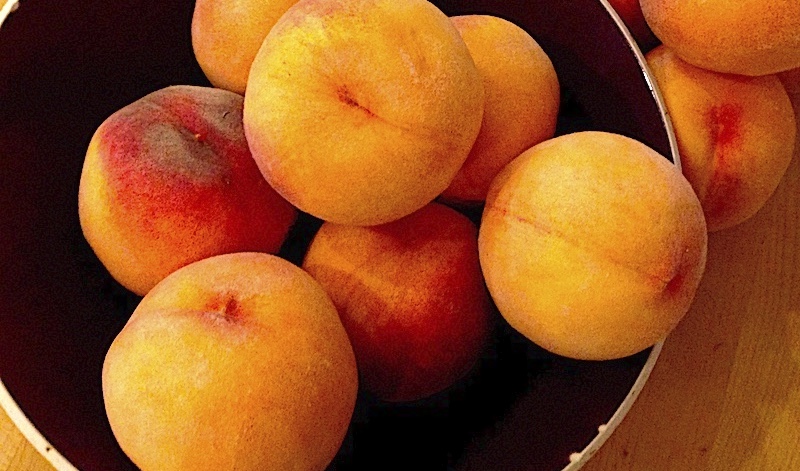
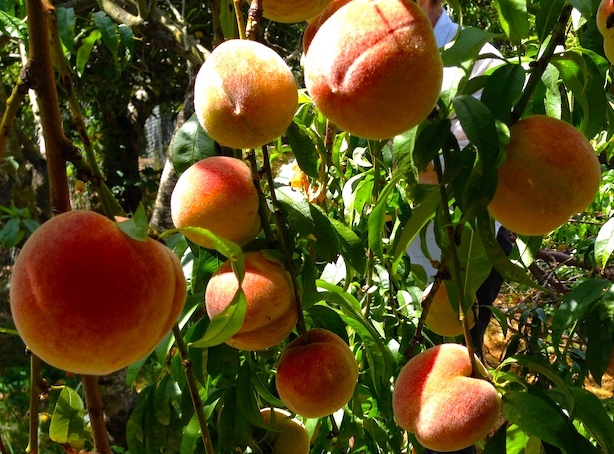 Among its many attributes, a medium peach is a mere 37 calories and is high in vitamins A, B, and C. Because a fully ripe peach is delicate and easily bruised, you will often find them sold just “under-ripe.” To fully ripen your fruit, place them on the counter in a brown paper sack, folded closed, for two or three days. (Do not try this in a plastic bag. As the fruit respires, it gives off moisture which will collect on the plastic bag and cause the fruit to rot.) The ripe fruit will be soft and fragrant. Refrigerate them at this point.
 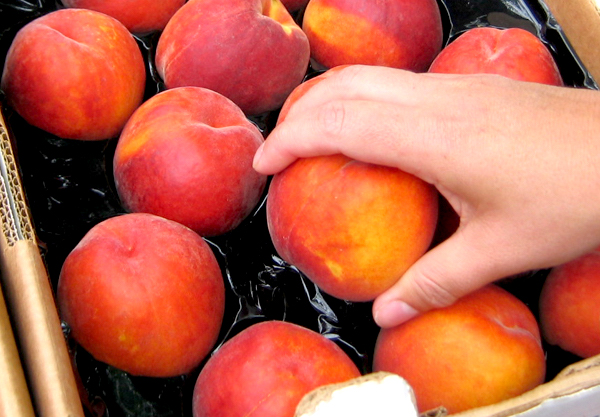 Like the plum and the apricot, peaches are members of the rose family (Rosaceae), distinguished by their velvety skin. If the peach fuzz bothers you, try rubbing the fruit with a terry handtowel after washing, it will diminish the feel of the fuzz on your mouth. Of course, you could also choose to purchase nectarines instead if the fuzzy skin bothers you.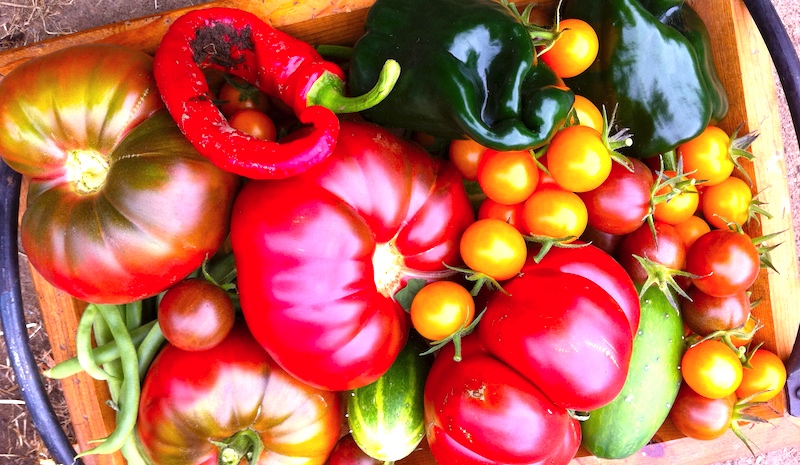

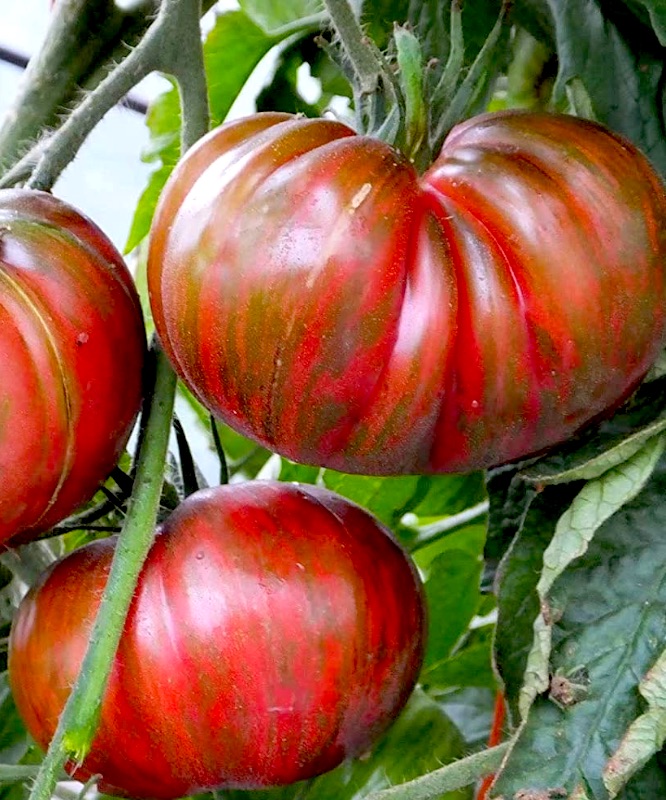
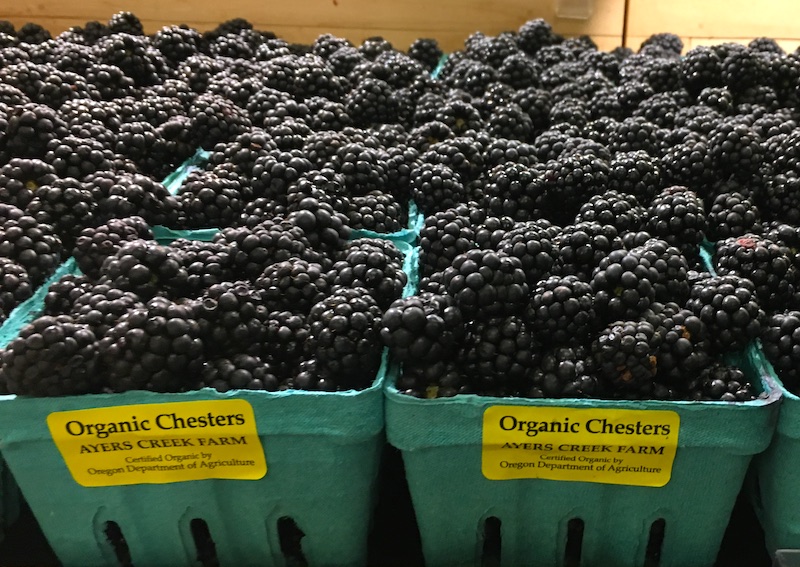
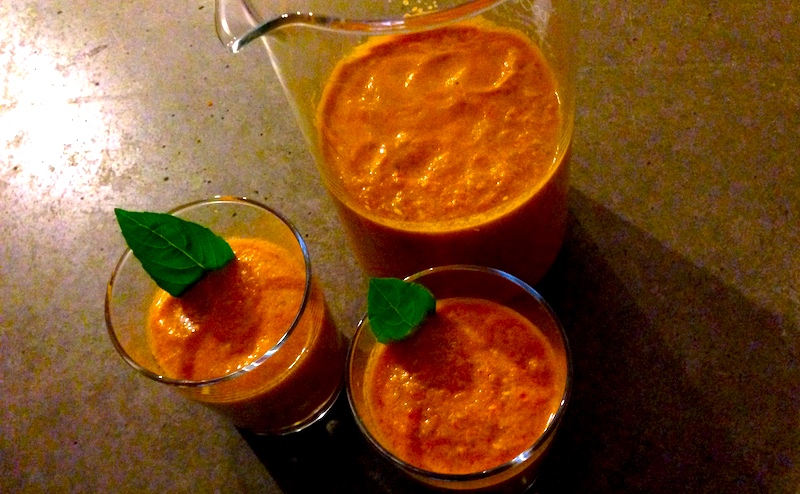
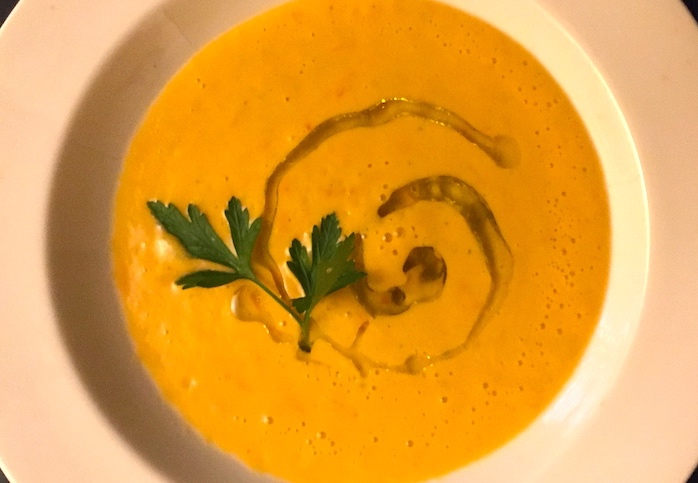
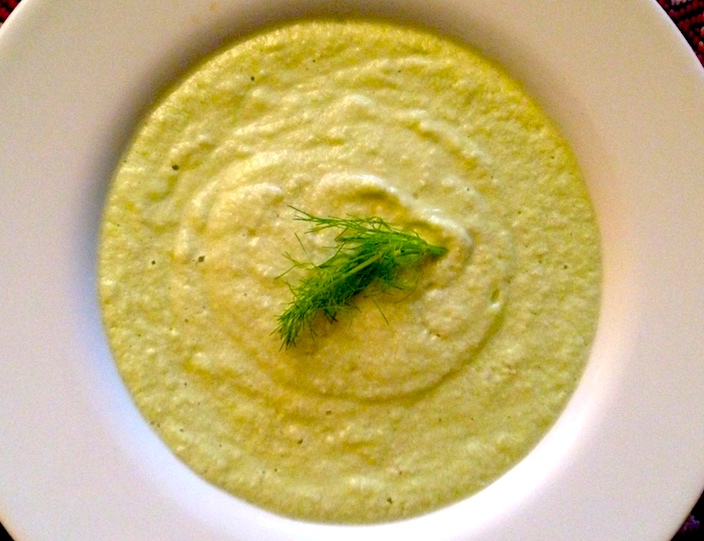
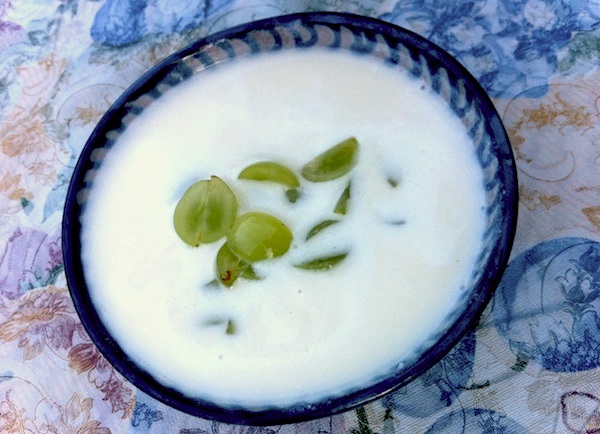
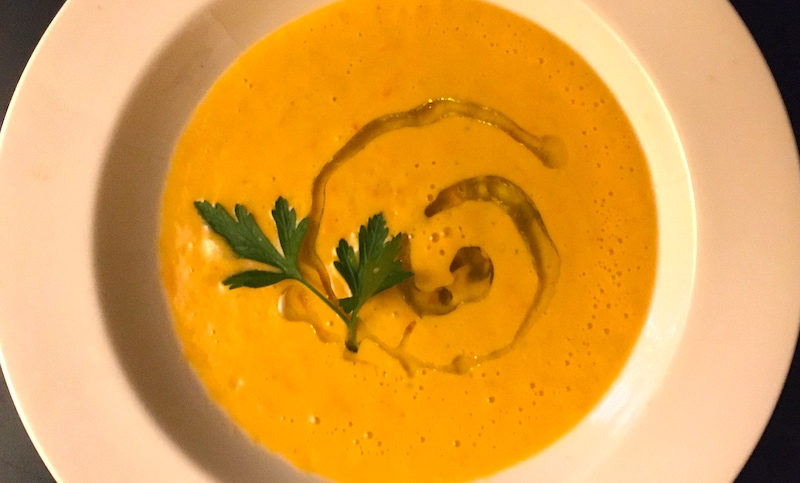
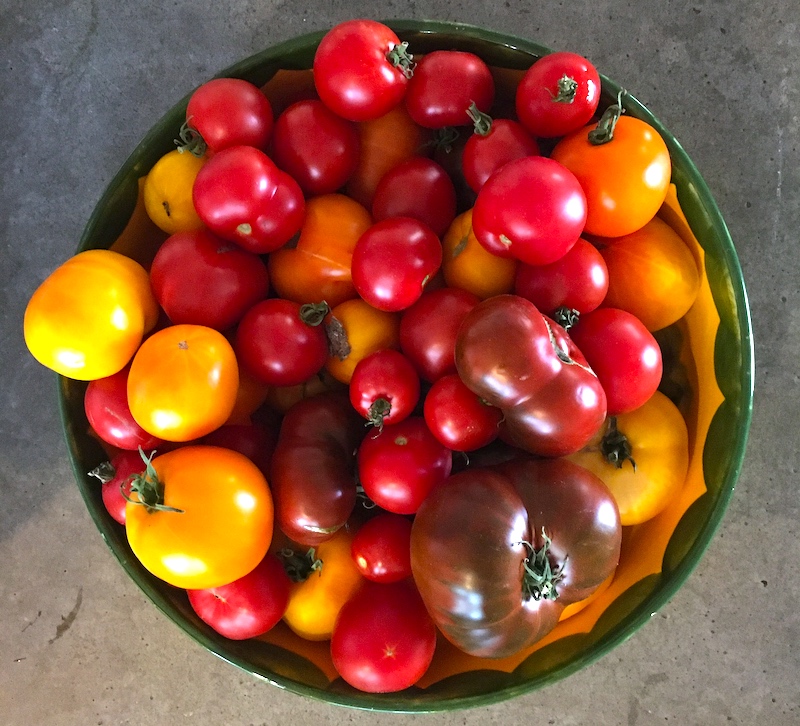
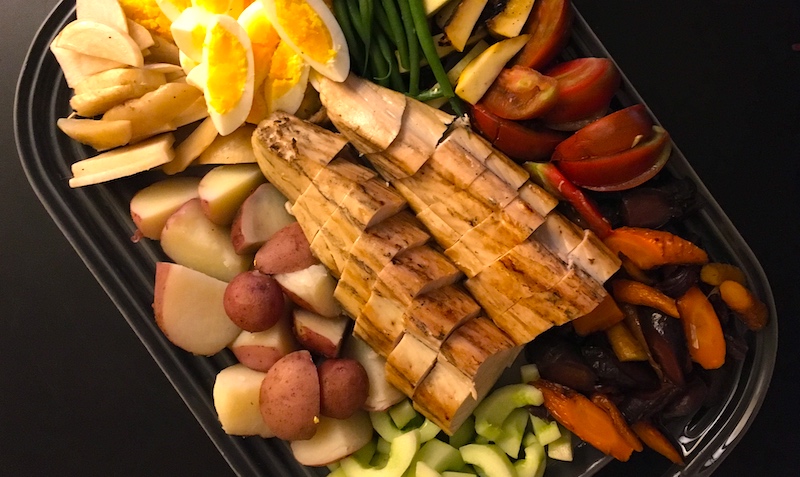
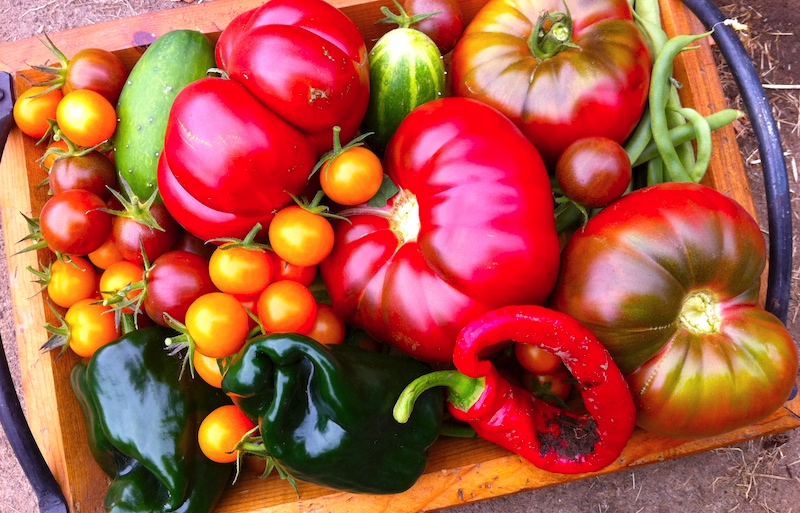
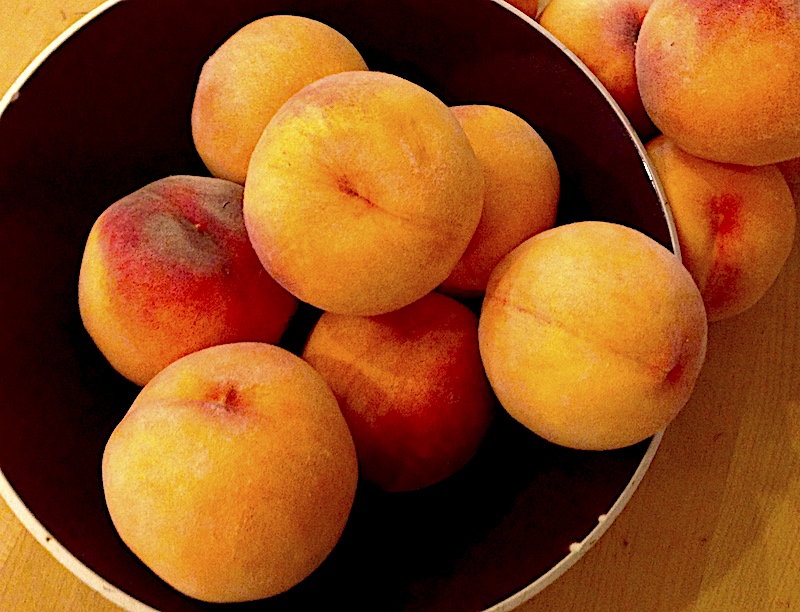 The time is now to get your heirloom tomatoes at the farmers' markets, and there's a plethora of peppers, eggplant, beans, corn and peaches tumbling in from local farms. Strawberries and cane fruit like raspberries and blackberries are nearly done, as are summer squash and cucumbers, so if you haven't got around to making your grandma's favorite dill pickles yet, you'd best get cracking.
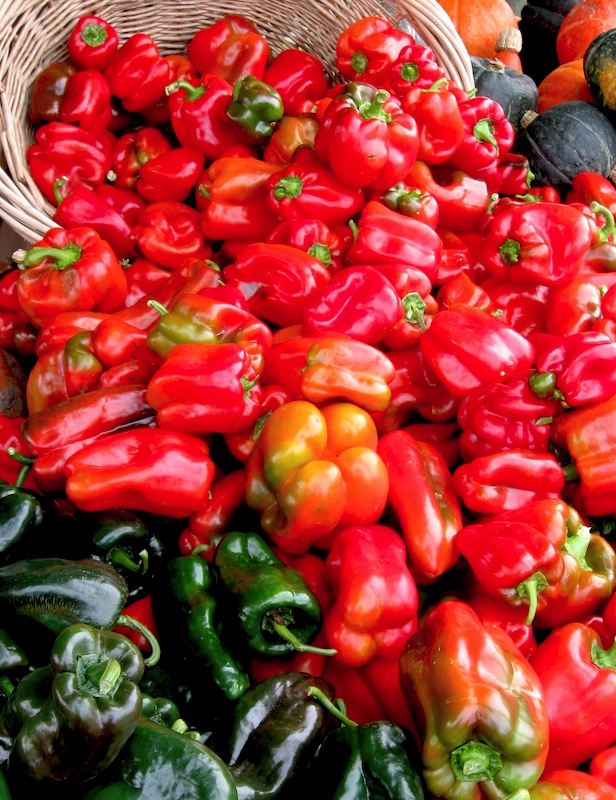 "It's been kinda strange," he said, recounting cooler temperatures early in the summer that got everything off to a late start, with some early crops experiencing a short, not-very-robust season. Tomatoes were delayed early on, and then 100-degree days like those we've had lately "put the kibosh" on some varieties that are normally prolific in midsummer, so expect a slightly shortened season.
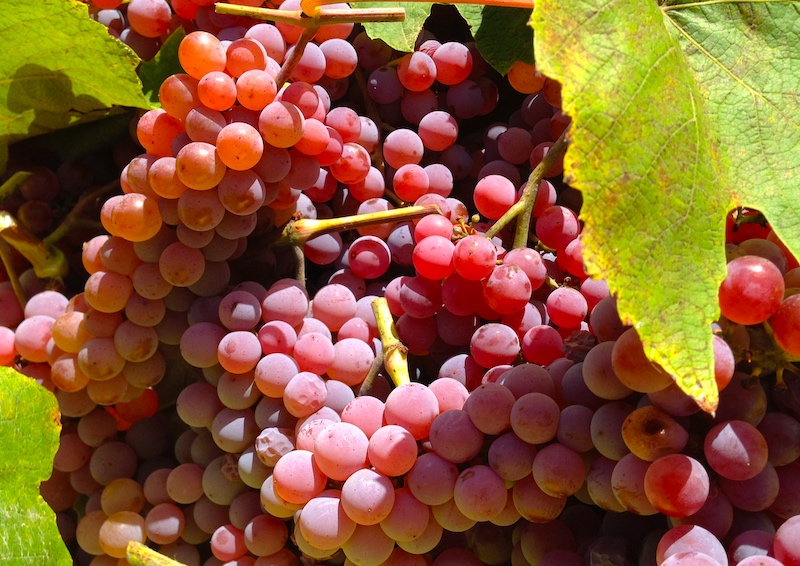 Plums and table grapes are just getting started, as are local melons, and kiwi berries and ground cherries should start appearing soon. We can also look forward to freshly dug potatoes and onions by the end of the month, as well as winter squash like delicata and butternuts. Local apples and pears will be arriving from orchards by the end of September, though Alsberg said he's seeing a few local Gravensteins listed on his farmers' hot sheets, along with Zestar, Ginger Gold and Pristine varieties.
 So it was fortuitous that my friend, gifted cook and writer
  "We lived in Greece for five-plus years, so our Greek street cred is far better than elsewhere," Denise said. "Mom learned from the village ladies even before she could speak the language."
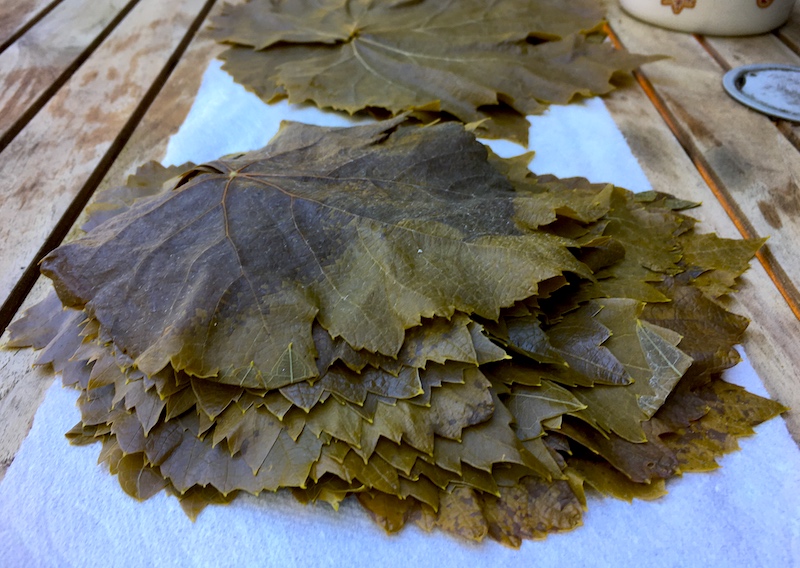
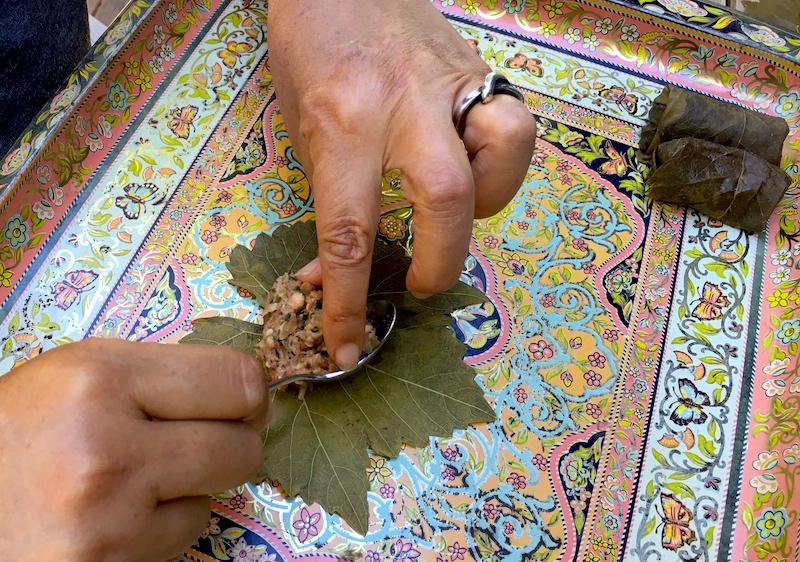
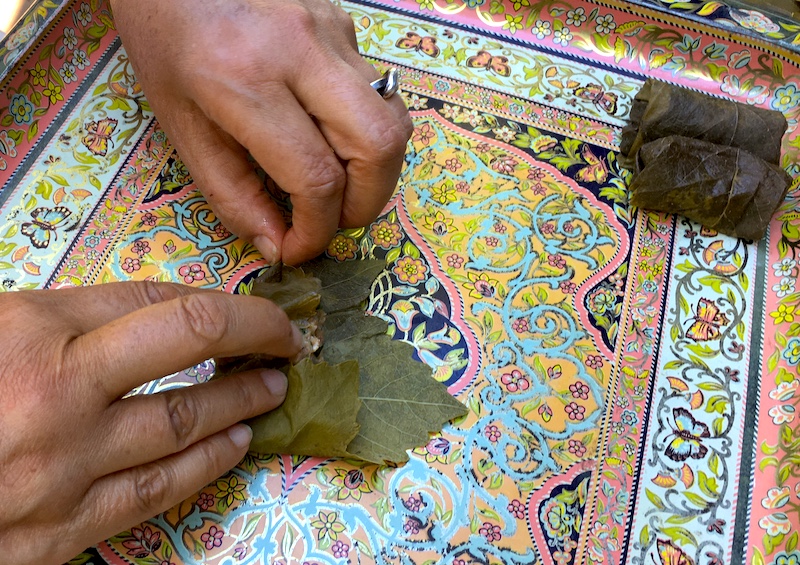 I arrived at her house the next morning with a shopping bag stuffed full of leaves of various sizes, which turned out to be helpful, since we could use the smaller ones for stuffing and the larger leaves for covering the rolls while they cooked. She trimmed the stems and softened them in a pot of salted water on the stove while I chatted from the doorway—pandemic, remember—then brought them out to the deck where I proceeded to separate and dry the leaves.
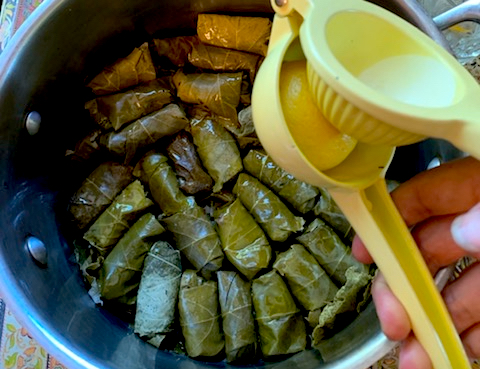 Ever the efficient project manager, Denise had cooked and cooled the onions the night before so she could combine them with the meat and spices just before I arrived. In proper socially distanced fashion we set up our work stations at opposite ends of the long table, scissors at the ready should we need to clip some tough leaf veins and a big pot of the meat-rice mixture each.
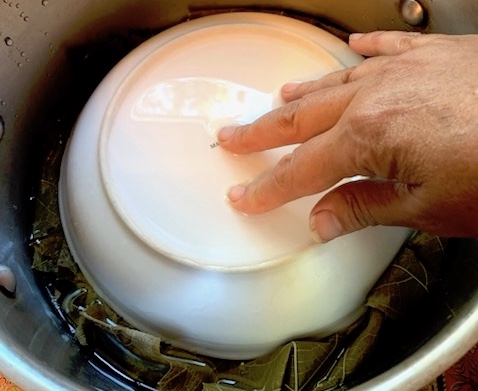 Magic!