
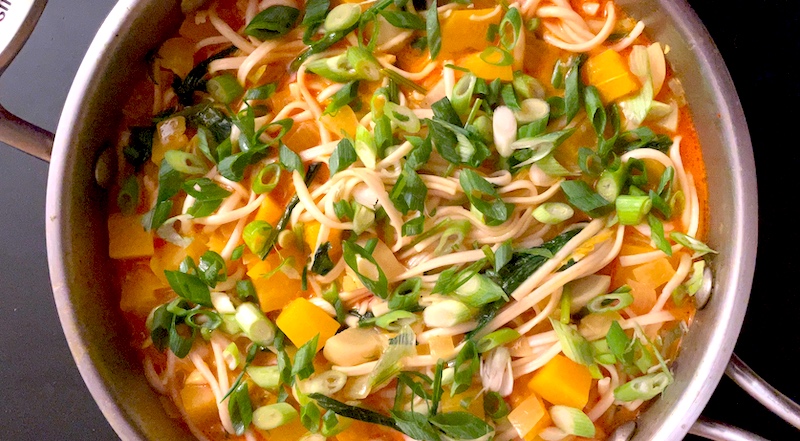
One-Pot Pantry Favorite: Quick Coconut Curried Noodles with Seasonal Vegetables
Belonging to two CSAs, as you might imagine, has us benefitting from the fall bounty—or is it buried under a bounteous pile?—of vegetables from two local farms. While it's a short-lived situation, with the end of our summer share from one farm overlapping with the beginning of the fall subscription from another farm, it means I'm scrambling to use all the peppers, squash, cauliflower, greens and more in my veg bin before they melt into compost.
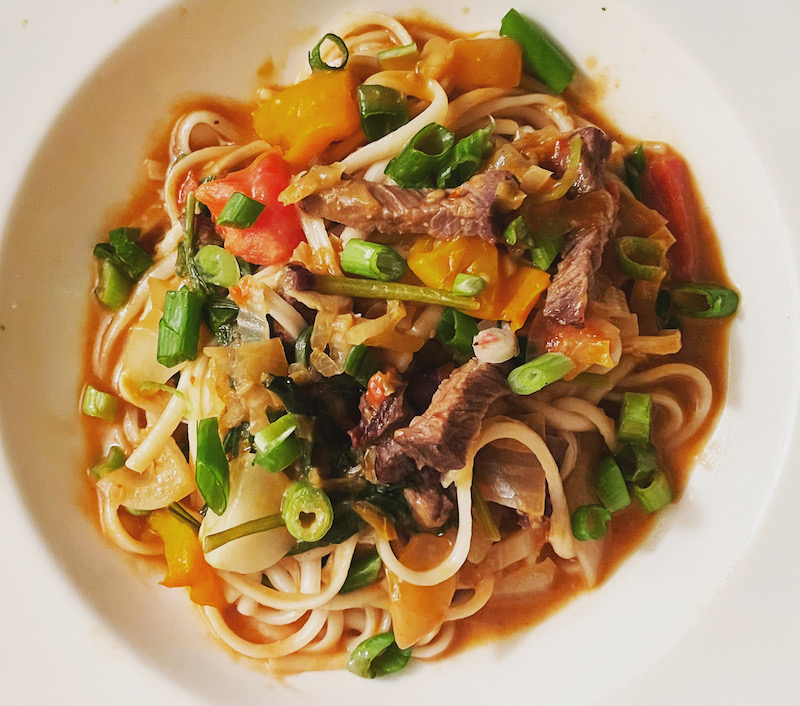
The dinner pictured above (with the meaty version on the left) is a simple one-pot curry that's been a boon on so many fronts: it's quick to prepare, it's delicious as either a vegetable or meat-friendly dish, I can throw in chicken or steak or roasted vegetables left over from other meals, and it takes up a ton of the items from those two CSAs mentioned above.
As flexible as fried rice when it comes to a healthy, hearty meal, as long as you have noodles, coconut milk and a curry paste (or powder) on hand you can have it on the table in about half an hour. I call that a darn near perfect dinner.
Coconut Curry Noodles with Seasonal Vegetables
8 oz. udon noodles (spaghetti or linguine work, too)
2 Tbsp. vegetable oil
1 yellow onion, chopped in 1/2" dice
3 cloves garlic, minced
1 tsp. fresh ginger, finely grated (optional)
3 Tbsp. red or green curry paste (I like Thai and True made here in Oregon or 2 Tbsp. curry powder or 1 1/2 Tbsp. turmeric plus 1 tsp. ground cumin)
4 c. chopped vegetables (peppers, squash, cauliflower, broccoli, kale, carrots, turnips or whatever you have in the veg bin)
1 15-oz. can coconut milk
1 c. or so chicken or vegetable stock
1 Tbsp. fish sauce
Salt to taste
1/2 c. green onions, chopped (optional)
1 c. cilantro, chopped (optional)
Bring a pot of water to boil and drop in the udon noodles. Return to a boil and cook for 4 minutes. You want the noodles very al dente, since they'll finish cooking in the curry sauce. (Regular pasta will take longer to cook, but you still want it al dente.) Drain and rinse with cold water.
Heat a deep, wide frying pan over medium-high heat and add oil. When it shimmers, add the onion and sauté until translucent. Make a space in the center of the onions and add the ginger (if using) and garlic. Sauté briefly and add the curry paste (or powder) and sauté briefly. Start adding the sturdier chopped vegetables first, then adding the more tender ones as the first ones cook down a bit.
When the vegetables are all tender, add the coconut milk, stock, and fish sauce, plus any meat you may be using (cubed tofu works here, too). When it comes to a boil reduce the heat and simmer for 5 minutes, then add the drained noodles. Bring the whole pot to a simmer for another 5 minutes or so until it's all thoroughly heated. Adjust salt to taste. Serve garnished with green onions and cilantro, if desired.

 "I'm immensely proud of the work the District has accomplished during my 10 years on the board," Guebert said, "From helping new farm businesses with our Headwaters Farm Incubator Program, funding land purchases to protect farmland, natural resource land, and parks throughout the district, and doing the hard work to recruit and retain a dedicated staff of employees."


 As part of the campaign, OAT will also be hosting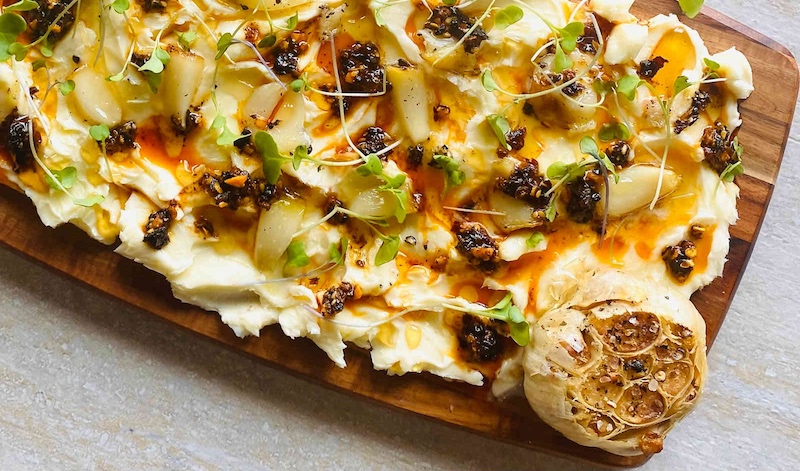
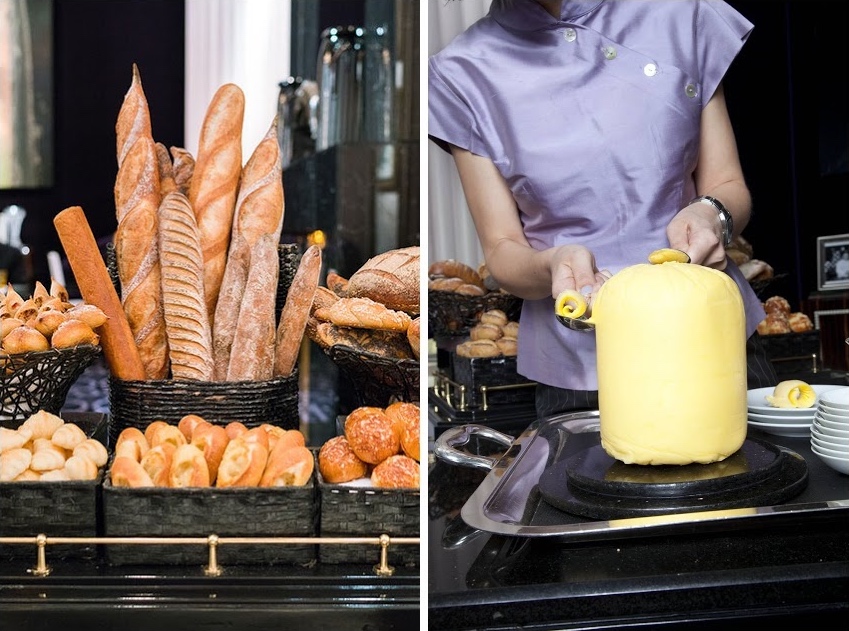 There are many kinds of meals. There are those that simply feed you, those that feed your soul, and those that are so memorable that they rate right up there with the best experiences of your life. A meal at Joel Robuchon’s in Las Vegas MGM Grand Hotel is such an experience. Robuchon was named “Chef of the Century” by the Gault Millau in 1989 and had 32 Michelin stars, the most of any chef, at his time of death from pancreatic cancer in 2018.
 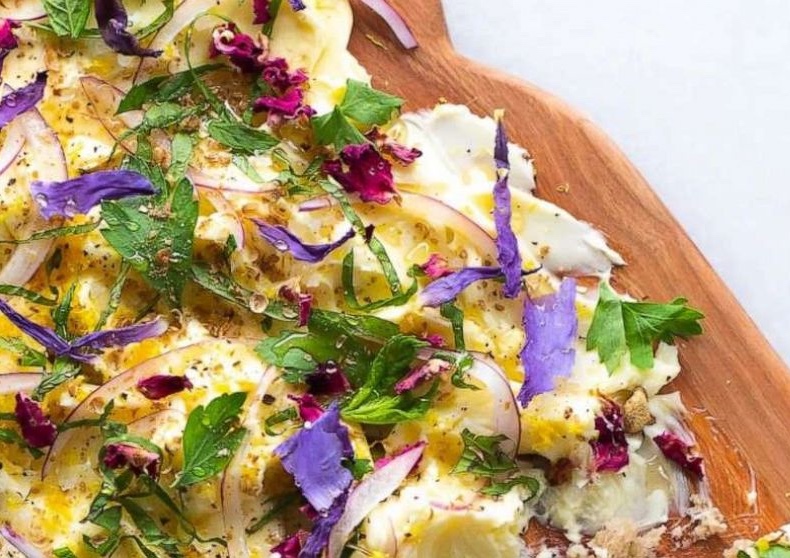 So it is with great enthusiasm that Ginger embraces the hot new trend shepherded to fame by TikTok creator Justine Doiron: The Butter Board. Most of you are familiar with charcuterie boards—tasty combinations of meats and cheeses, along with complementary accompaniments such as fruits and nuts that make for great snacking and conversation when served among friends and family. Well, a Butter Board is a similar concept, only the main attraction is the excellent quality butter that has been creatively enhanced and surrounded by pieces of bread and crackers.
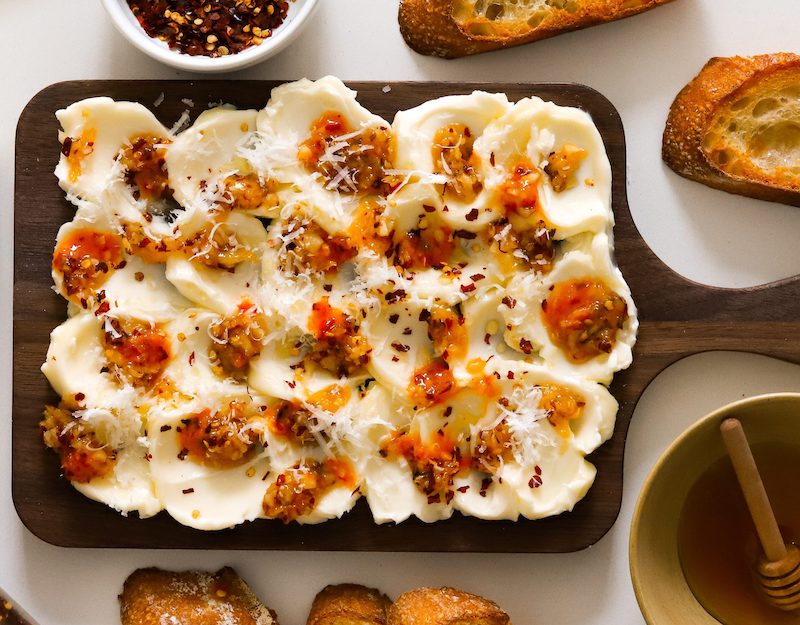 The thing that is so wonderful about this idea is that it is relatively simple to prepare, and you can get as creative as you want with the combinations of ingredients. First, you start with fabulous butter. Do not skimp here! Here at the Beaverton Farmers Market, we are lucky to have the gorgeous butter made by our friends at
 Lately I've found some mighty meaty collars, almost like a fish steak with wings, at




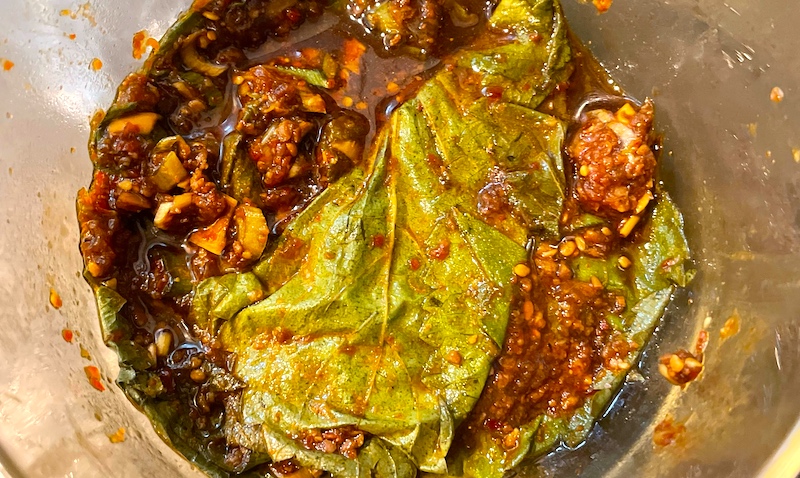
 It's made using shiso leaves, halfway between a leafy green and an herb that the New York Times described as "a mysterious, bright taste that reminds people of mint, basil, tarragon, cilantro, cinnamon, anise or the smell of a mountain meadow after a rainstorm." (Ooooookay…?) I'd say it's flavor is on the same spectrum as cilantro: definitely pungent, with a slightly minty twang. Shiso is, for me, a little strong to use in a salad, for instance, but the process of fermentation and the other ingredients in the brine—soy, ginger, garlic and the Korean ground peppers called gochugaru—seem to tame its somewhat, shall we say, overpowering personality.
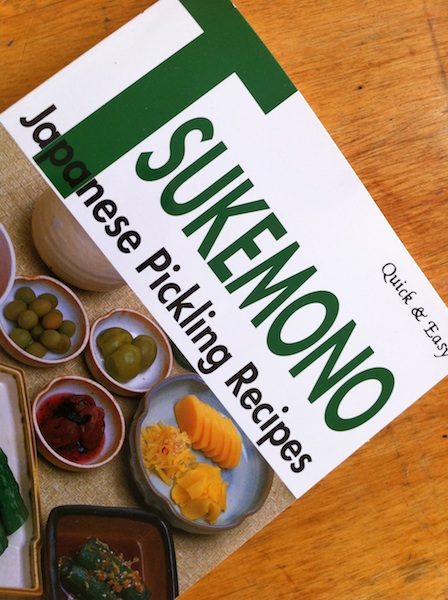 The recipe is adapted from a book I absolutely love,