
Legislative Report: Very Good News Dimmed by Bad News as Session Ends
The 2026 Session of the Oregon Legislature, scheduled to end on Sunday, has concluded with mixed results for Oregon's small family farmers.
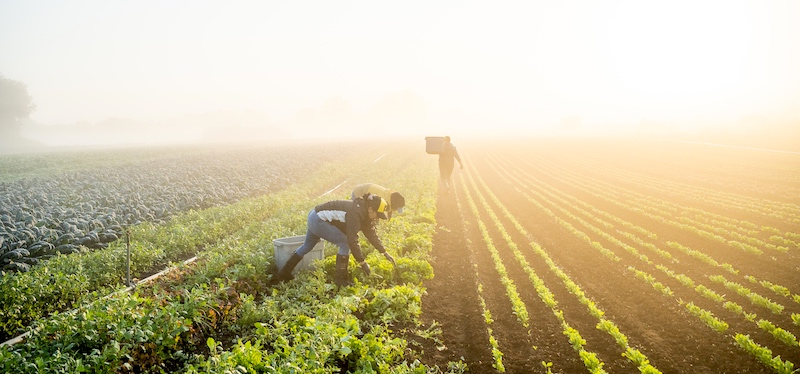
Land Grab in Hillsboro (SB 1586). Good news from the Oregon Legislature came yesterday in an announcement from Friends of Smart Growth that 1,700 acres of prime farm land adjacent to Hillsboro is safe from development for the time being. Thanks to citizen action—of the 891 pieces of testimony submitted, about 90 percent opposed the bill—and the work of a coalition of organizations from environmental groups to tax fairness advocates to land use watchdogs and labor unions, SB 1586 was withdrawn from consideration.
It was the fifth attempt by Oregon state Sen. Janeen Sollman (D-15) to take this land out of agricultural production and hand it to developers, putting more than 30 local farms out of business at a time when the number of farms in Oregon decreased by six percent since 2017, and the acreage those farms occupied was down four percent in the same period.
The local Hillsboro Herald wrote that the bill had been described by proponents as supporting advanced manufacturing, but that "a significant loophole also allowed for this farmland to be turned into an unlimited, unregulated amount of accessory data centers" which are already inundating the area, gobbling up land, increasing energy rates for consumers and using water resouces while not creating the number of jobs that were promised.
“Destroying irreplaceable farmland for temporary data centers is not viable economic development,” said Nellie McAdams, executive director of Oregon Agricultural Trust. “We must stop bulldozing over our farms and discrediting the value, innovation, and economic power that farmers, farmworkers, and ranchers bring to our state.”
Thanks to all who testified, wrote letters and signed petitions!
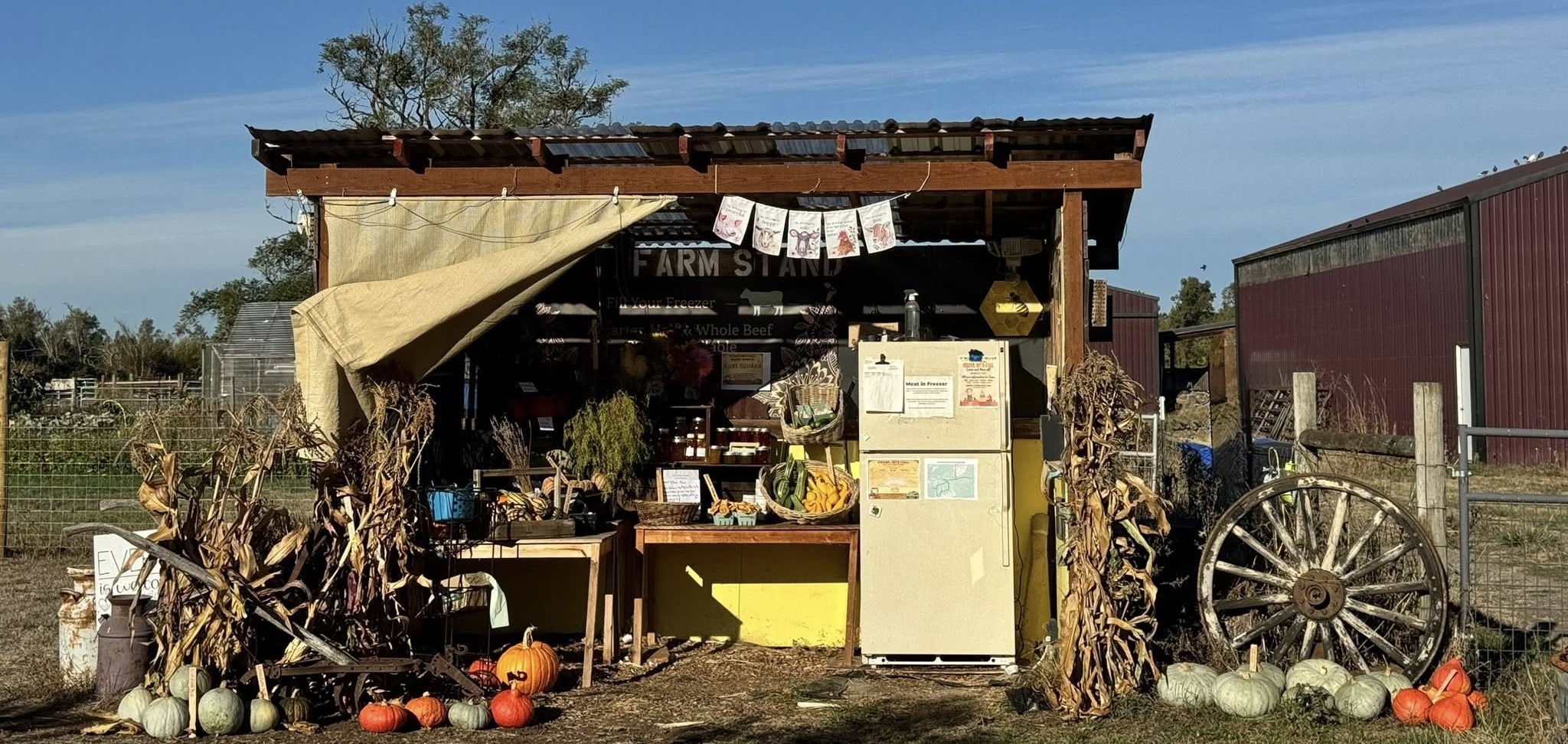
Farm Store Bill (HB 4153): Sadly, Friday brought news that this bill—pushed by the Oregon Property Owners Association, an anti-land use regulation organization—that limits who is allowed to have a farm store to only the largest landowners and would close existing farm stands of farmers who are too small to meet the new requirements of the bill, has passed the Senate and is headed to the Governor's desk.
"Folks with an honor system stand at the end of their driveway supplied with garden overflow (zucchinis in August, a couple pints of berries, or a sign saying 'eggs $6' would be outlawed by this approach," according to the owners of Valley Flora Farm on Oregon's southern coast.
After what was described as a "flawed process" by several organizations that opposed the bill and ignoring input from local farmers and farm advocates, was rushed through and was passed in spite of 70 percent of public testimony expressing opposition to the bill.
“We are extremely disappointed that a proposal with so much opposition, that clearly prioritizes larger landowners over small farms and creates so many risks to farmland affordability, access, and preservation would be rushed through in a short session,” said Alice Morrison, co-director of Friends of Family Farmers.
Some legislators suggested that the bill was "imperfect" and will need more work in future sessions. However, amending any portion of the bill regulating commercial activity on farmland triggers a Measure 56 notice requirement, which could cost upwards of $1 million for the state to notify all property owners of the changes it seeks to implement.
"After more than a decade of building a healthy farm and farm business, I worry that the significant loopholes in this bill will turn my area into a tourist destination rather than the productive farming region it is,” said Aaron Nichols of Stoneboat Farm.
“With no requirement to consider the impact of a [10,000-square-foot] ‘farm store’ on nearby businesses, what will happen if we see thousands more cars on our rural roads? Or hundreds of tourists in the neighboring field when we're trying to drive tractors that kick up dust?" continued Nichols. "This bill was written by and for rich landowners and, in many cases, comes at the expense of actual farmers."
UPDATE ON HB 4153: In a confusing development, the version of the bill that the public hearing discussed last week was not the version that passed the legislature on Friday (3/6). An amendment was adopted after the public hearing that reinstated the language in the existing statute that allows for farm stands and then established a new type of permit called the farm store permit. According to Friends of Family Farmers, the bill states that farm stores are only open to farms based on their size and acreage in production (details here), with no limits on the amount of revenue you can generate from ticket sales or incidental item sales (details here).
Advocates are continuing their opposition to this bill in its current form. "First and foremost, this bill was sold to the public and lawmakers as a way to simplify the permit process. By the end of the session, not only did this bill not clarify anything about current law, leaving it untouched, but it also created an entirely new permit for similar businesses that counties are going to have to parse out," said Friends of Family Farmers in a press release. "It is clear that the goal of this process was not ease or clarity, but the real goal was to provide a pathway for unlimited event income on EFU [Exclusive Farm Use] zoned land at all costs."
Get more details about the pros and (many cons) of this bill in this press release. Then take a moment to urge Governor Kotek not to sign HB 4153.
Read more about the original disinformation campaign that preceded this bill by the OPOA.