In a confusing development, the version of the so-called Farm Store bill (HB 4153) that was discussed in a final public hearing just before the legislature adjourned last week was not the version that passed the legislature on Friday (3/6). (Get background on this controversial bill here.)
An amendment was adopted after the public hearing that reinstated the language in the existing statute that allows for farm stands and then established a new type of permit called the farm store permit. According to Friends of Family Farmers, the bill states that farm stores are only open to farms based on their size and acreage in production, with no limits on the amount of revenue you can generate from ticket sales or incidental item sales (details here).
Advocates are continuing their opposition to this bill in its current form.
"First and foremost, this bill was sold to the public and lawmakers as a way to simplify the permit process. By the end of the session, not only did this bill not clarify anything about current law, leaving it untouched, but it also created an entirely new permit for similar businesses that counties are going to have to parse out," said Friends of Family Farmers in a press release. "It is clear that the goal of this process was not ease or clarity, but the real goal was to provide a pathway for unlimited event income on EFU [Exclusive Farm Use] zoned land at all costs."
The 2026 Session of the Oregon Legislature, scheduled to end on Sunday, has concluded with mixed results for Oregon's small family farmers.
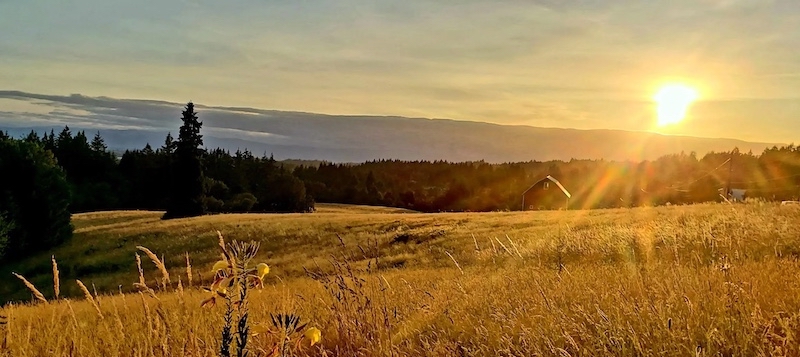
Land Grab in Hillsboro (SB 1586). Good news from the Oregon Legislature came yesterday in an announcement from Friends of Smart Growth that 1,700 acres of prime farm land adjacent to Hillsboro is safe from development for the time being. Thanks to citizen action—of the 891 pieces of testimony submitted, about 90 percent opposed the bill—and the work of a coalition of organizations from environmental groups to tax fairness advocates to land use watchdogs and labor unions, SB 1586 was withdrawn from consideration.
It was the fifth attempt by Oregon state Sen. Janeen Sollman (D-15) to take this land out of agricultural production and hand it to developers, putting more than 30 local farms out of business at a time when the number of farms in Oregon decreased by six percent since 2017, and the acreage those farms occupied was down four percent in the same period.
The local Hillsboro Herald wrote that the bill had been described by proponents as supporting advanced manufacturing, but that "a significant loophole also allowed for this farmland to be turned into an unlimited, unregulated amount of accessory data centers" which are already inundating the area, gobbling up land, increasing energy rates for consumers and using water resouces while not creating the number of jobs that were promised.
“Destroying irreplaceable farmland for temporary data centers is not viable economic development,” said Nellie McAdams, executive director of Oregon Agricultural Trust. “We must stop bulldozing over our farms and discrediting the value, innovation, and economic power that farmers, farmworkers, and ranchers bring to our state.”
Thanks to all who testified, wrote letters and signed petitions!
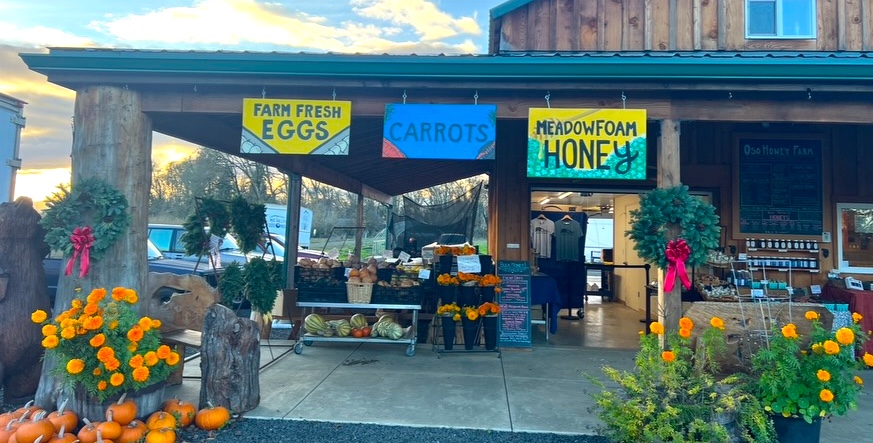
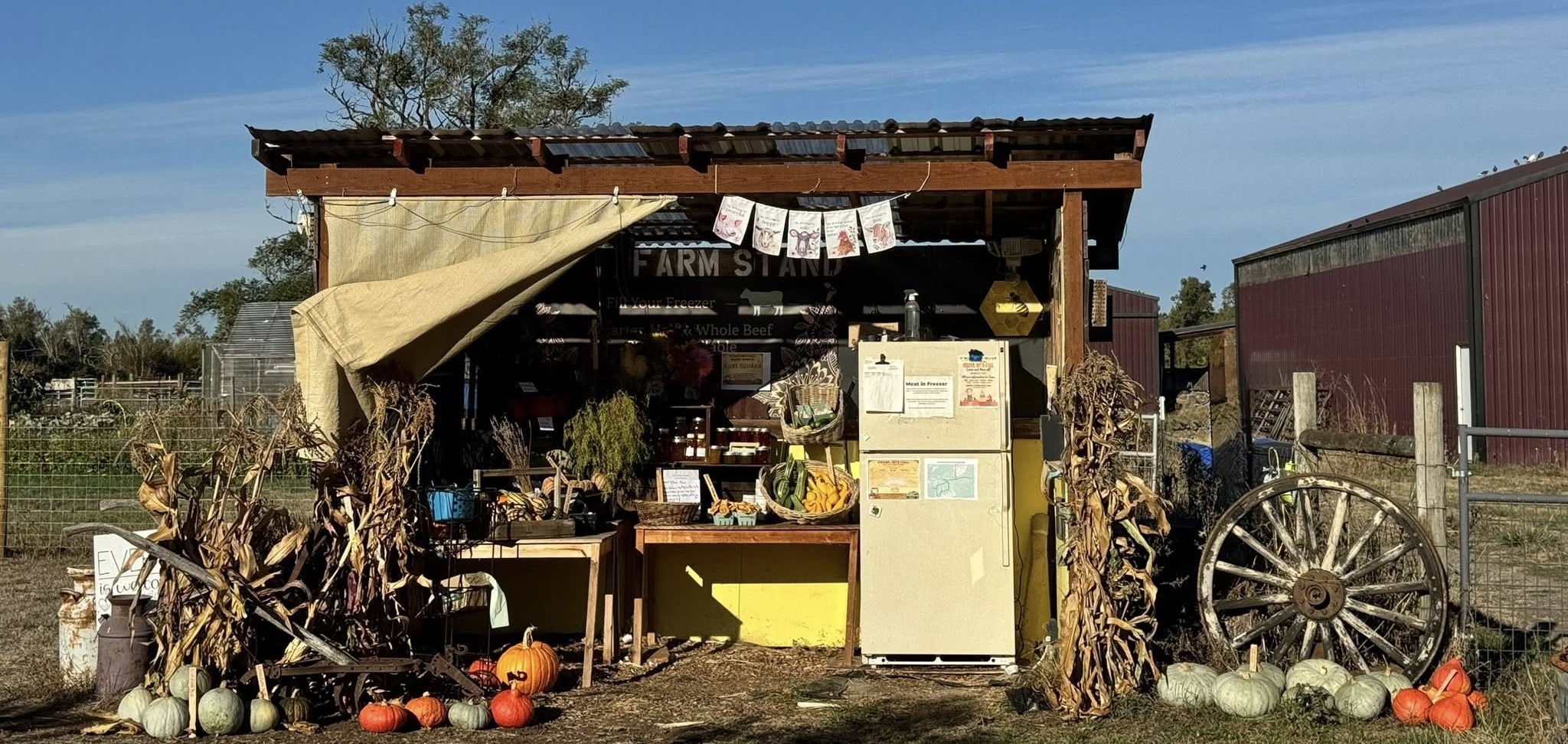
New bill passed may outlaw farm stands like this one at Shimanek Bridge Farm in Scio.
Farm Store Bill (HB 4153): Sadly, Friday brought news that this bill—pushed by the Oregon Property Owners Association, an anti-land use regulation organization—that limits who is allowed to have a farm store to only the largest landowners and would close existing farm stands of farmers who are too small to meet the new requirements of the bill, has passed the Senate and is headed to the Governor's desk.
"Folks with an honor system stand at the end of their driveway supplied with garden overflow (zucchinis in August, a couple pints of berries, or a sign saying 'eggs $6' would be outlawed by this approach," according to the owners of Valley Flora Farm on Oregon's southern coast.
After what was described as a "flawed process" by several organizations that opposed the bill and ignoring input from local farmers and farm advocates, was rushed through and was passed in spite of 70 percent of public testimony expressing opposition to the bill.
“We are extremely disappointed that a proposal with so much opposition, that clearly prioritizes larger landowners over small farms and creates so many risks to farmland affordability, access, and preservation would be rushed through in a short session,” said Alice Morrison, co-director of Friends of Family Farmers.
Some legislators suggested that the bill was "imperfect" and will need more work in future sessions. However, amending any portion of the bill regulating commercial activity on farmland triggers a Measure 56 notice requirement, which could cost upwards of $1 million for the state to notify all property owners of the changes it seeks to implement.
"After more than a decade of building a healthy farm and farm business, I worry that the significant loopholes in this bill will turn my area into a tourist destination rather than the productive farming region it is,” said Aaron Nichols of Stoneboat Farm.
“With no requirement to consider the impact of a [10,000-square-foot] ‘farm store’ on nearby businesses, what will happen if we see thousands more cars on our rural roads? Or hundreds of tourists in the neighboring field when we're trying to drive tractors that kick up dust?" continued Nichols. "This bill was written by and for rich landowners and, in many cases, comes at the expense of actual farmers."
UPDATE ON HB 4153: In a confusing development, the version of the bill that the public hearing discussed last week was not the version that passed the legislature on Friday (3/6). An amendment was adopted after the public hearing that reinstated the language in the existing statute that allows for farm stands and then established a new type of permit called the farm store permit. According to Friends of Family Farmers, the bill states that farm stores are only open to farms based on their size and acreage in production (details here), with no limits on the amount of revenue you can generate from ticket sales or incidental item sales (details here).
Advocates are continuing their opposition to this bill in its current form. "First and foremost, this bill was sold to the public and lawmakers as a way to simplify the permit process. By the end of the session, not only did this bill not clarify anything about current law, leaving it untouched, but it also created an entirely new permit for similar businesses that counties are going to have to parse out," said Friends of Family Farmers in a press release. "It is clear that the goal of this process was not ease or clarity, but the real goal was to provide a pathway for unlimited event income on EFU [Exclusive Farm Use] zoned land at all costs."
With the short session of the Oregon State Legislature heading into the home stretch—it's scheduled to conclude on Monday, March 9—legislation is being pushed through committees and lobbied with abandon, but there's still time use your voice to speak up for Oregon's agricultural lands.
Hillsboro Supersiting of Industrial Land (SB 1586): This bill is a bald-faced land grab of nearly 1,800 acres of prime agricultural land being pushed by developers intent on cashing in on an expansion of the Urban Growth Boundary (UGB). This is the sixth attempt by developers to expand the boundary and is being done outside the established expansion process, and has moved forward without any of the required public involvement. For perspectife, in 2014 Hillsboro received over 1,000 acres of industrial land, which was supposed to be an ample 50-year supply, but the city burned through it in less than a decade with data center development and other commercial, recreation, and retail land uses. Additionally, the bill extends tax breaks for these same corporate interests—companies that can easily afford to pay their fair share.
Thus far almost 800 individuals and organizations have submitted testimony, with nearly 90 percent in opposition to the bill; there have been so many people signed up to speak at the hearings that they have had to extend the number of sessions. But more is needed.
TAKE ACTION:
Submit written testimony by Wednesday (2/25) at 8 am. You can copy and paste the text above into the form or edit it, or compose a letter and attach it as a PDF.
Attend the Washington County Commission meeting on Tuesday (2/24) at 6:30 pm at 155 N. First Ave., Suite 300, Hillsboro, OR, or sign up to testify via Zoom Link. by 4:30 pm on Tuesday, 2/24.
Allowing "farm stores" as a nonfarm use on EFU land (HB 4153): This bill requires counties to allow 5,000 to 10,000-square-foot “farm stores,” offering shopping, dining, alcoholic beverage service and sales, and ongoing big events such as concerts and weddings in exclusive farm use (EFU) zones.
Opposed by small farm advocates like Friend of Family Farmers and 1,000 Friends of Oregon, among others, it would allow nonfarm retail sales, food and beverage service and unlimited events on agricultural land without safeguards to ensure that agriculture remains the primary use of the property. Without these safeguards, commercial entities could easily take advantage of lower tax assessments and buy up cheap farm land to develop into event venues and retail outlets, without ever intending to meaningfully farm the land in the first place.
Although nearly 1,600 pieces of testimony were submitted with more than 70 percent opposing the bill, it has still gone forward. Your voice is critical to defeating this anti-small farm bill.
Expanding school meals for all (SB 1581). This bill requires Oregon school districts to offer lunch and breakfast to all students at no charge, regardless of income. So far this bill has moved forward in the Joint Ways and Means Committee with a "do pass with amendments" recommendation, which is encouraging.
Convening on Groundhog Day could be taken as an ominous portent to the beginning of the short 2026 session of the Oregon Legislature. Legislators have just 35 days to figure out how to close a $297 million gap in the Oregon Department of Transportation Budget brought on by the Trump administration's devastating 2025 budget bill that reduced revenues—especially to Democrat-controlled states—and increased costs. The Democrats, who control both houses of the Oregon legislature, have also vowed to craft a reponse to Trump’s aggressive immigration enforcement agenda.
Though the transportation funding bill is going to take up much of the oxygen in the legislature this year, there are issues around our food system that you can take action on.
Farm Store Bill (HB 4153): This bill seeks to limit who can operate a farmstand based on acreage and sales, giving vast privileges to large operations while elbowing out beginning farmers and smaller-scale farms and producers. Friends of Family Farmers (FoFF), an advocacy organization for small and beginning farmers in Oregon, opposes this bill because it limits who is allowed to have a farm store for their operation and makes no specific protections for the simplest type of farm stand . Valley Flora Farm in Langlois posts on their website that, if passed as written, the bill would "close existing farm stands [of farmers] who are following the law right now but are too small to meet these [new] requirements" and implies that "folks with an honor system stand at the end of their driveway supplied with garden overflow (zucchinis in August, a couple pints of berries, or a sign saying 'eggs $6') would be outlawed by this approach."
As background, this bill is a result of Governor Tina Kotek's "pausing" the work of a Rulemaking Advisory Committee (RAC) that had become a target of the Oregon Property Owners Association (OPOA), which describes its mission as "protect[ing] the right of private property owners to make use of their property." The OPOA launched a disinformation campaign featuring a farm couple wailing that "if you enjoy u-pick, if you enjoy farm-to-table dinners, if you enjoy pumpkin patches, if your kids enjoy a hayride or cow train, these are the kind of things that we and other farms are going to lose"—none of which was true.
Once the viral video campaign had done its job and pressured state officials to derail the work of the committee, the OPOA admitted they were behind this new legislation, stating on their website "since we announced HB 4153…" and listing all the reasons that it's a great leap forward for the state's agricultural sector.
FoFF sums it up nicely:
What this bill makes legal as a farm store: 100-acre Exclusive Farm Use property with 45 acres of hay field and 55 acres of outdoor concert venue where events can be held on an unlimited basis with no impact test to the farms around it or a need to get an agritourism permit.
What this bill makes illegal for a farm store: 10-acre property where 5 acres is under production and the farm makes $4,000 per year in farm income to supplement their income and occasionally teaches a class on preserving their farm product.
This bill makes farm stores easier and more permissive for large property owners while penalizing small land holders for having less to work with. Even if you support the 100-acre farmer example above, should it come at the expense of the 10-acre farmer example?
TAKE ACTION:
Submit written testimony by Wednesday, Feb. 11, at 1 pm. Submission form here. Sixty percent of folks who've submitted so far are opposed. Make yours count!
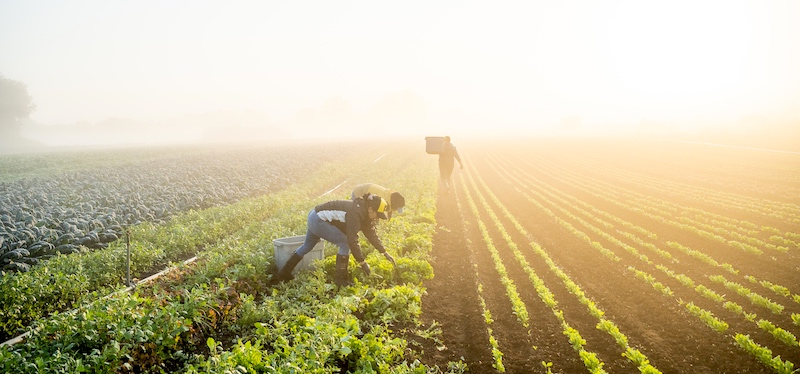
Disproportionate cuts to OSU Statewides & Organic Agriculture Program: Due to a budget shortfall of $63 million, the legislature is proposing a one percent to five percent cut to most agencies, but the OSU Statewides Programming, which includes the Organic Agriculture Program, is facing a 7.1 percent cut. Advocates, while acknowledging the need to trim budgets, are asking the legislature to "rightsize" the cuts to the program to match those being asked of other agencies. The Organic Agriculture Program at OSU now has six extension specialists across cropping systems working throughout the state, working to enhance the viability of Oregon agriculture through improved soil health, cover crop adoption, ecological pest management, locally adapted cultivars, farm viability, and transition to organic and other ecological methods.
TAKE ACTION:
Sign the letter asking the legislature not to disproportionately cut the OSU Statewides & Organic Agriculture Program.
Budget for Programs in the Immigrant Justice Package:The Trump administration and Republican congressional leaders are targeting immigrant communities. The Immigrant Justice Package provides the Oregon legislature with a critical opportunity to invest in proven solutions and support immigrant families now, including:
Immigration Legal Services ($5M): Deportation defense and legal help to keep families together
Children’s Stability Fund ($5M): Support for families when a caregiver is detained
Protect Healthier Oregon: Maintain health coverage regardless of immigration status
School Meals for All: Free breakfast and lunch for every student
Anti‑Hunger Investments: Emergency food benefits and funding for food banks
Support for bills to limit harmful immigration enforcement actions, protect personal data, prevent discrimination, and ensure transparency and accountability in law enforcement operations.




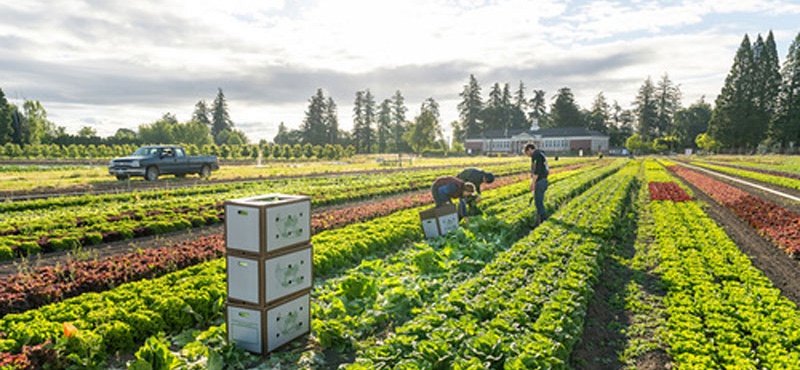 Disproportionate cuts to OSU Statewides & Organic Agriculture Program: Due to a budget shortfall of $63 million, the legislature is proposing a one percent to five percent cut to most agencies, but the OSU Statewides Programming, which includes the Organic Agriculture Program, is facing a 7.1 percent cut. Advocates, while acknowledging the need to trim budgets, are asking the legislature to "rightsize" the cuts to the program to match those being asked of other agencies. The Organic Agriculture Program at OSU now has six extension specialists across cropping systems working throughout the state, working to enhance the viability of Oregon agriculture through improved soil health, cover crop adoption, ecological pest management, locally adapted cultivars, farm viability, and transition to organic and other ecological methods.
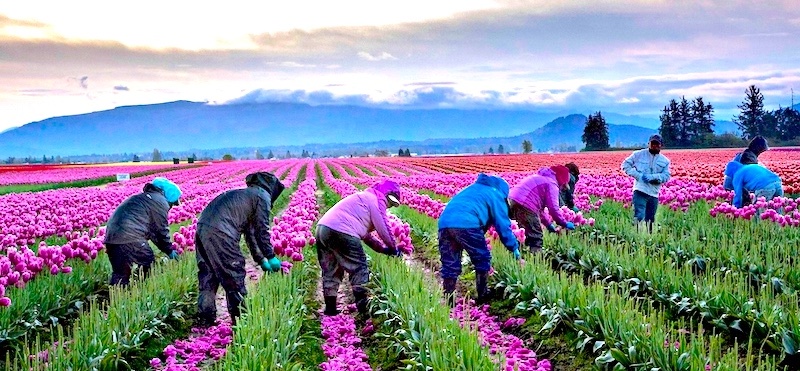 Budget for Programs in the Immigrant Justice Package: