Holiday Gifting, Part Two: The Gift of Generosity

I don't know about you, but my family doesn't need more stuff cluttering up our lives (or needing to be dusted). Several years ago my parents sat the whole family down before the holidays and suggested giving gifts of "meaning"—that is, gifts to charities or causes that the recipient would want to support. For instance, my mother appreciated gifts to Heifer International, an organization that has a mission to end hunger and poverty by supporting and investing alongside local farmers and their communities.

In that spirit I thought I'd put together a list of organizations that support our food system directly or indirectly, in case you or your loved ones are inclined to ditch the store aisles packed with desperate shoppers and contribute to changing our planet for the better. (Many of them would also make great year-end charitable donations, if that's more your bent.)
Food System

Friends of Family Farmers is a statewide organization that supports Oregon's small family farmers through networking, workshops and legislative advocacy.

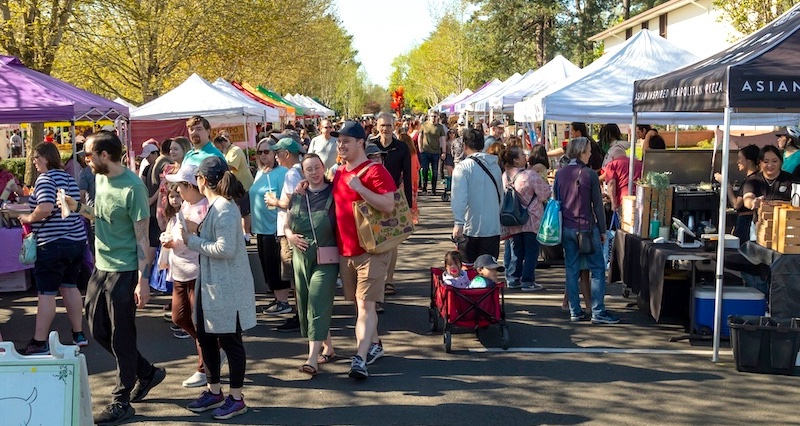
Farmers Market Fund makes healthy, locally grown food accessible to under-served Oregonians through their Double Up Food Bucks program that provides a dollar-for-dollar match on SNAP (food stamp) purchases at over 90 Oregon farmers' markets.

Center for Food Safety works to empower people, support farmers, and protect the earth from the harmful impacts of industrial agriculture through groundbreaking legal, scientific, and grassroots action.

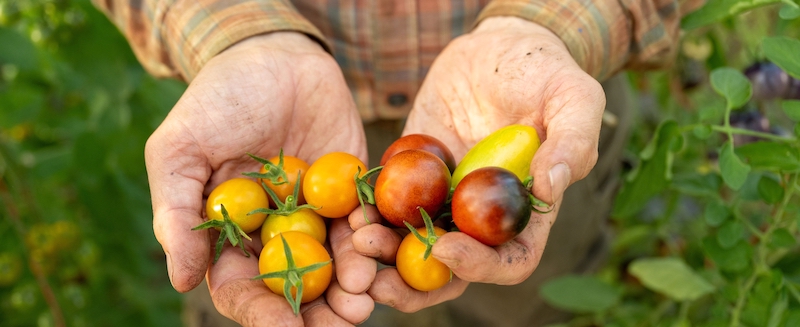
Pacific Northwest Community Supported Agriculture is committed to providing education about Community Supported Agriculture (CSA), supporting farmers who provide quality local food to our communities, and increasing access to healthy food for underserved communities.

Oregon Agricultural Trust works with farmers and ranchers around Oregon to safeguard Oregon’s farm and ranch lands and the rural communities that depend upon them by permanently protecting our working lands and helping them stay in production.

Gaza Soup Kitchen is a grassroots initiative led by the people of Gaza, serving hot meals to tens of thousands daily. Born from a vow to ensure no neighbor goes hungry, 99% of every dollar goes directly to feeding and supporting the people of Gaza. (Read my post about Gaza Soup Kitchen.)
Justice for Immigrants and Farm Workers

Portland Immigrant Rights Coalition (PIRC) is committed to defend the rights of immigrants in our community through education, rapid response, and legal support.

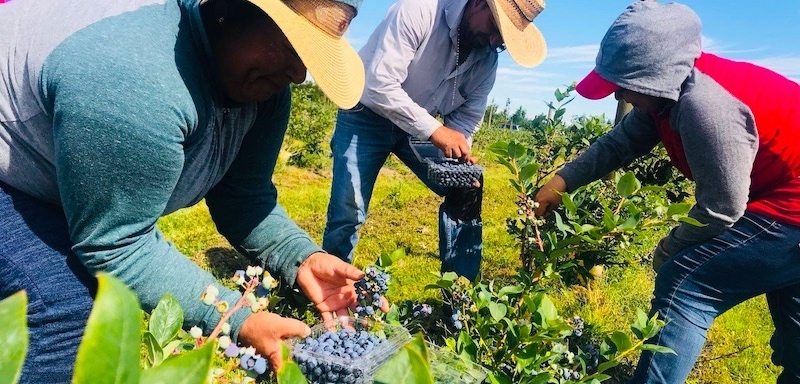
PCUN (Oregon Farmworker Union) has a mission to empower farmworkers and working Latinx families in Oregon by building community, increasing Latinx representation in elections, and advancing policies on both the national and state levels.

Community to Community is a grassroots organization led by women of color that is committed to strengthen local and global movements toward social, economic, and environmental justice. (Read my article about founder Rosalinda Guillen.)

Environment and Climate

Food and Water Watch works to protect food, water, and air, as well as fighting climate change by banning fossil fuels.

Columbia Riverkeeper is committed to protect and restore the water quality of the Columbia River from the headwaters to the Pacific Ocean by partnering with tribes and uniting communities to advocate for environmental and climate justice.

Xerces Society protects the natural world through the conservation of invertebrates and their habitats by conducting research and relying on up-to-date information to guide its conservation work in pollinator conservation, endangered species conservation, and reducing pesticide use and impacts.


Photos: Pacific Northwest CSA (top); Beaverton Farmers Market (market shoppers); Community to Community (farm workers); Xerces Society (lady beetle).
Holiday Gifting: Keep It Local, Keep It Delicious!

It's been a minute since I've done a holiday guide here at Good Stuff NW, so I thought I'd take the opportunity to put in a word for giving the cold shoulder to the big box stores and giant online retailers, and instead spend your dollars where they'll do the most good—in your local community!

Especially this year, local retailers and vendors like those at your farmers' markets are seeing a significant drop in sales, with many wondering how they'll stay in business past the end of the year. And it's not just economic instability that's keeping people from opening their wallets, or the uncertainty over health care costs or the effect of tariffs on our monthly budgets. Those serving our immigrant neighbors are hardest hit since many of their regular customers are afraid to venture out for fear of getting detained, or worse, by ICE.

So think small and local for the holidays this year, and use the suggestions below to start your own lists.

Giving gifts produced here teaches about our regional bounty and supports local makers.

Foodstuffs from our fields. Your local farmers' market is the place to start, with vendors offering a plethora of products featuring the bounty from our fields and pastures. Whether that's jams and jellies bringing memories of warm summer days, zingy hot sauces and flavorful condimentsbeef jerky or snack sticks from cattle raised on green pastures, grains and beans grown by farmers committed to regenerative practices, farmstead cheeses made with milk from animals living with the sun on their backs and their feet in grass, or hazelnuts and honey from farmers just down the way, you can get creative and put together a basket of goodies, just wrap a pair of items or stuff them in stockings. Or you can generously give the gift of a seasonal CSA that will provide a whole season's worth of vegetables, meats and fish, fruit or flowers to your favorite family.

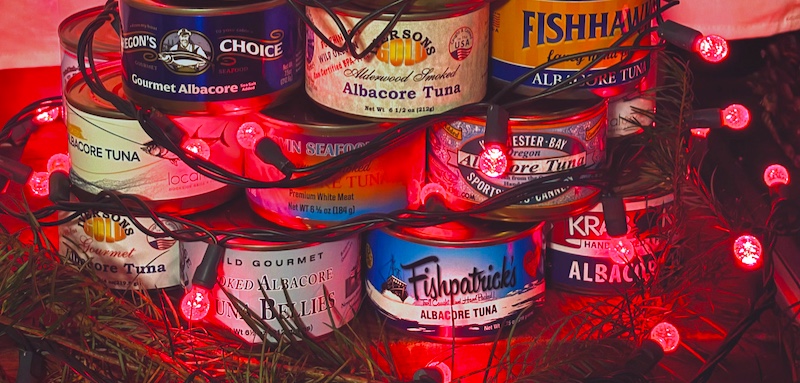
Tinned fish caught right off our coast is perfect for gifts or stocking stuffers.

Fish from our rivers and oceans. Tinned fish is having a moment right now, and there's nothing like fish that's processed within hours of being pulled from the waters off our coast. Most folks don't know that the big brands not only use fishing methods that destroy ocean habitat and pull in literally tons of by-catch (non-target fish populations) but often cook the fish twice in processing, which is why they have to add water or oil to keep it moist (ick!). Many of our small processors catch fish one at a time with a hook and line, then pack the fish fresh and only cook it once during canning, sealing it in it's own natural juices. I always have a case on hand, and you can order direct from micro-canneries like the ones listed at the Oregon Albacore Commission. (P.S. Those famous bright yellow tins of tuna from Spain? A lot of it is Oregon albacore that is shipped across the world, processed, then shipped back here. Crazy! Read more here.)

Books for cooks are always high on my list of great gifts!

Books, new or used! Most of us have talked with younger relatives or friends' kids about books we loved at their age. Have you considered giving those books to them for the holidays, especially if the topic is one that you share an interest in? For instance, my nephew was deeply fascinated with the history of World War Two, so I gifted him a copy of Howard Zinn's foundational A People's History of the United States that gives a perspective on our history that he might not find in other sources.

If someone on your list is a budding cook, you can find new and used cookbooks at Powell's, of course, but how about a combo gift of a (gently) used cookbook and a piece of cookware from the delightful collection at Kitchen Culture on Southeast Foster Road? Or give a gift certificate for one of the classes it features on knife skills, pasta making, fermentation or canning? (Read more about this unique shop.)

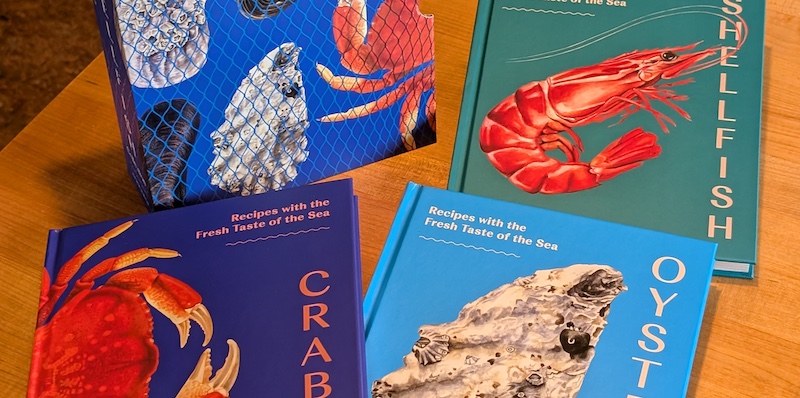
I'd be remiss if I didn't mention my friend Cynthia Nims's gorgeous, just-published Essential Shellfish Collection, a special edition, three-book box set of Cynthia's popular books on Pacific Coast shellfish cookery, containing titles on Crab, Oysters, and Shellfish. The description says it all: "If you dream about perfectly prepared crab cakes, showstopping lobster dinners, and joyful clambake celebrations, this endlessly giftable cookbook set is for you."

Hopefully this short list will get you thinking of your loved ones and what they would truly cherish, and better yet the gifts that benefit our local community. Stay tuned for Part Two of this guide coming next week!


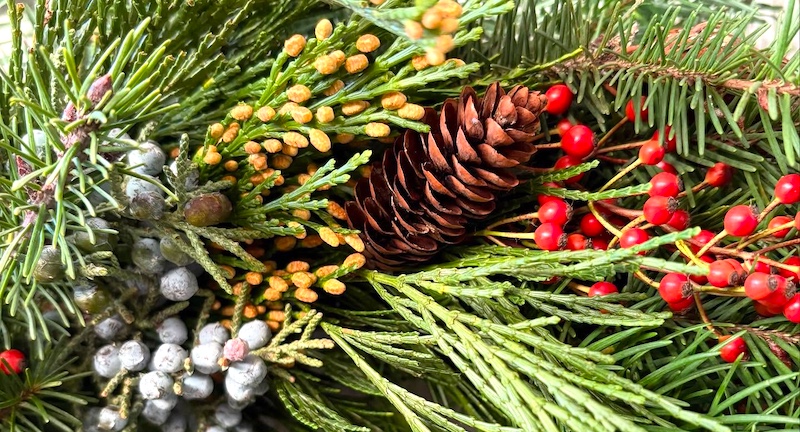
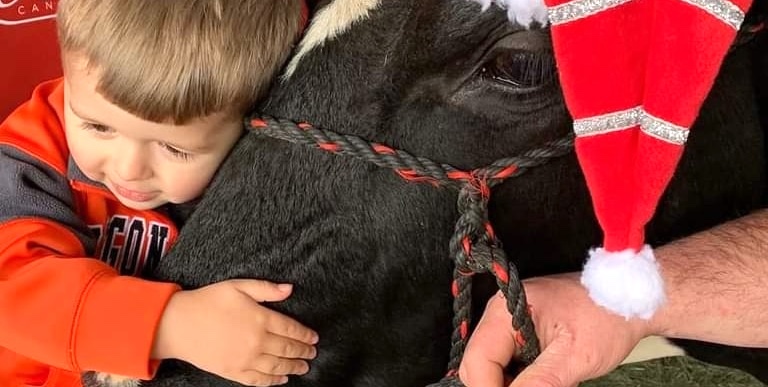
Photos: Detail of wreath from Maggy's Farm in Oregon City available from their farmstand and the Oregon City Farmers Market (top); Santa cow and friend at TMK Creamery and Distillery in Canby; tinned fish tower from Oregon's Choice Gourmet Albacore in Corvallis; Essential Shellfish box set by Cynthia Nims from Seattle's Book Larder.

Fun with Paper Bags: Snowflakes and Stars for the Holidays (or Any Day)

The sudden winter storms that seem to have taken over most of the country right before the Christmas holiday have folks sheltering in place, eschewing the usual frenzy of shopping for gifts and ingredients for meals that precede this holiday.

So what's a trapped-in-the-house parent/host/please-anything-other-than-housework human to do?

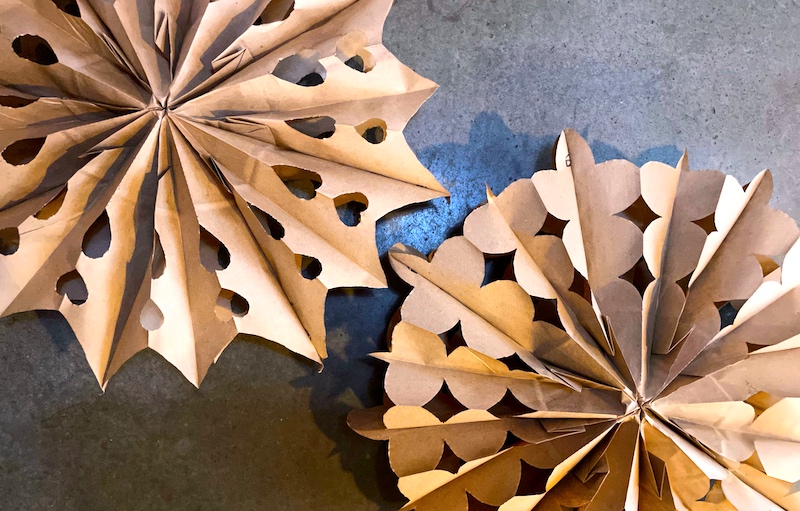
My friend Lisa Belt, proprietor of Flour Market bakery on Killingsworth (and mad crafter to boot), introduced me to these stellar snowflake stars. She recently gave a tutorial to the kids and adults at a "Crafternoon" event she hosted at the bakery and they were an instant hit.

Made with small paper lunch bags, they’re totally simple and as easy as those paper snowflakes of yore that my mother would pull out of her bag of parental tricks when she wanted to get some work done (or just needed a break from her three overly excited offspring, particularly around the holidays).

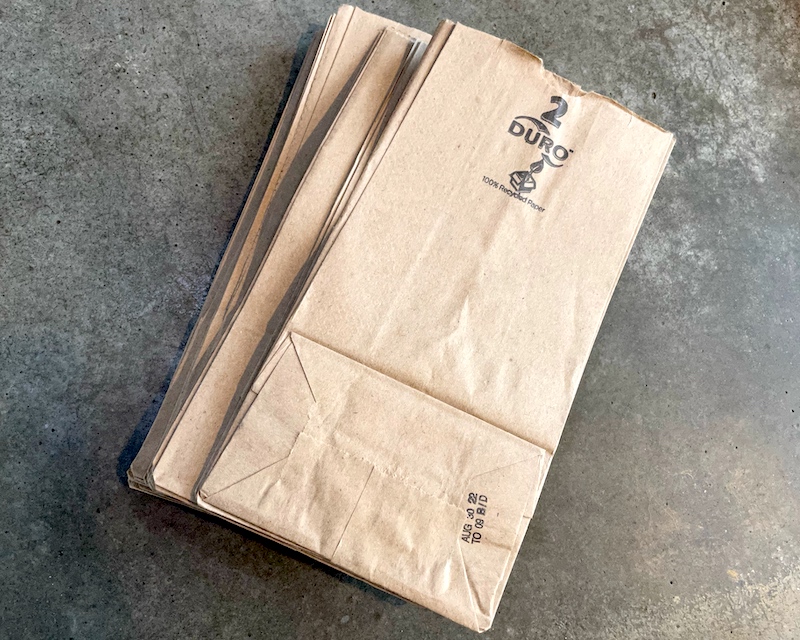
You'll need eight paper bags—the white ones are particularly attractive, I think—glue sticks or a bottle of good old Elmer's, and a pair of scissors. (Glue sticks are better if you’ve got young ones…they dry faster and are easier to handle for small fingers and won't drip all over everything.)
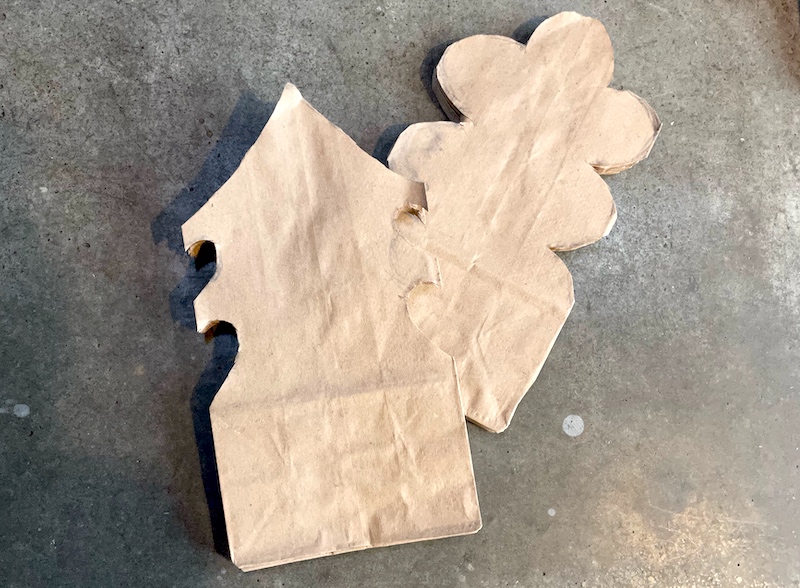
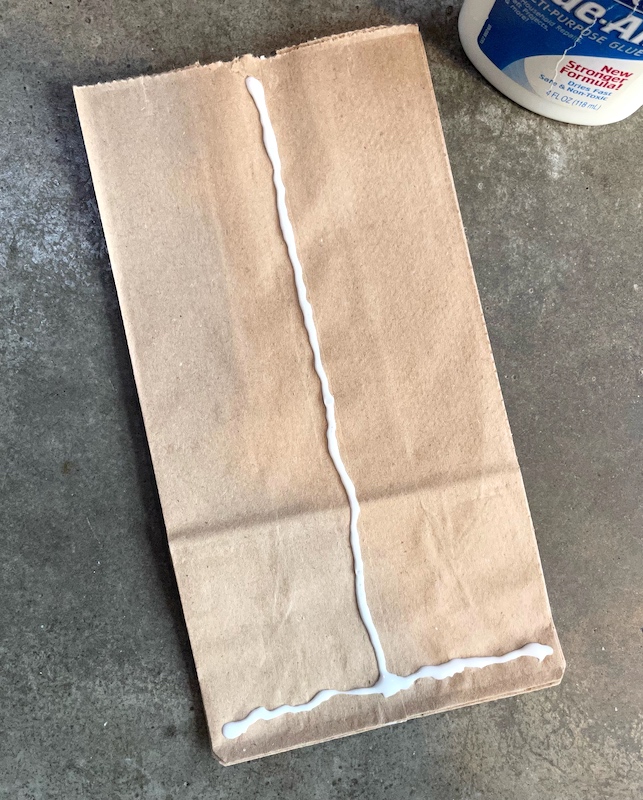
All you need to do is make a line of glue down the center of the back of the bag (the side without the bottom flap) and another line across the bottom (photo, right). Then place another bag, flap-side down, on top of that and repeat the same lines of glue as the first bag. Repeat this with the remaining bags (keeping the top one unglued) and allow to dry.

If you remember cutting out snowflakes from folded pieces of paper, this is exactly the same thing. Lisa says making a rounded or pointed design at the top of the bag is prettier, but you'll for sure want to cut some shapes out of the sides, keeping at least 1/4" of the folds between shapes. Don't cut into the flap section, though, since that holds the center together.

When the glue has dried and your shapes are cut, open the star by gently pulling the outside bags around to meet each other. You can either glue these together to hold the star open permanently, or punch a hole near the top and make a loop to hang it from—this also make it easier to untie and store it flat for next time. (Completely confused? There's a video here.)

Leave it plain or decorate with paints, sparkles or whatnot and hang wherever!