
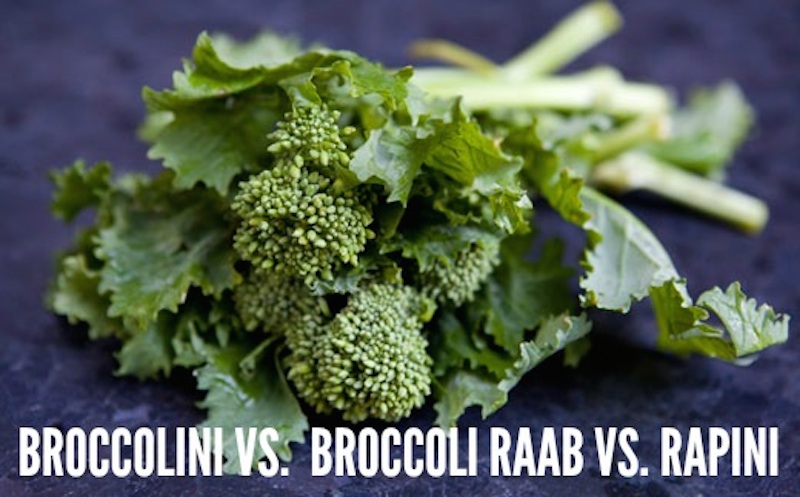
In Season: Broccolini, Raab, Rabe, Rapini
Since I'm jonesing for some lively greens and saw kale starting to flower in my neighbor Bill's garden, I thought this post from market master Ginger Rapport of the Beaverton Farmers Market would be great to keep on hand for market shoppers who might be asking, "What are those bundles of greens and why are they all called something different?"
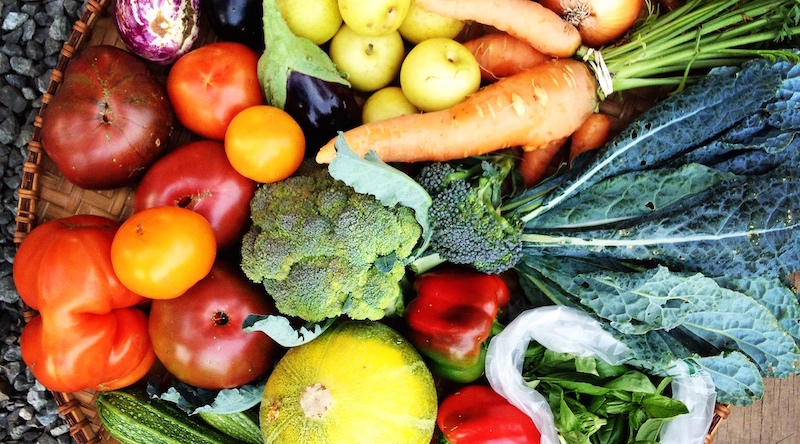
Do you get confused when you hear the words “rabe,””raab,” “rapini” or “broccolini” used in recipes? Let us help you sort this out because you will find tons of these green vegetables in the market very soon.
First, a little taxonomy: Cruciferous vegetables are vegetables of the family Brassicacae, known as Brassicas or Crucifers. They include: cauliflower, broccoli, mustard greens, arugula, bok choy, kales and cabbages to name a few. Now, a little clarification:
- Broccolini is not baby broccoli. It is a cross between regular broccoli and Chinese broccoli with long stems, larger florets, and less leaves. It is less bitter than some of its relatives which is why it is often thought of as baby broccoli.
- Rapini and broccoli rabe are close cousins and are often used interchangeably. They are in the same subspecies as the turnip, hence they have the characteristically slightly bitter taste of this group. They do not form the large heads that we see in broccoli.
- The flower buds of brassicas from the turnip family are often referred to as rabe, or raab, derived from raps, which means turnip in Italian. This time of the year, you will find the rabes of many types of brassicas in the market—kale, mustard greens, Brussels sprouts, turnips, bok choy and Chinese cabbage.
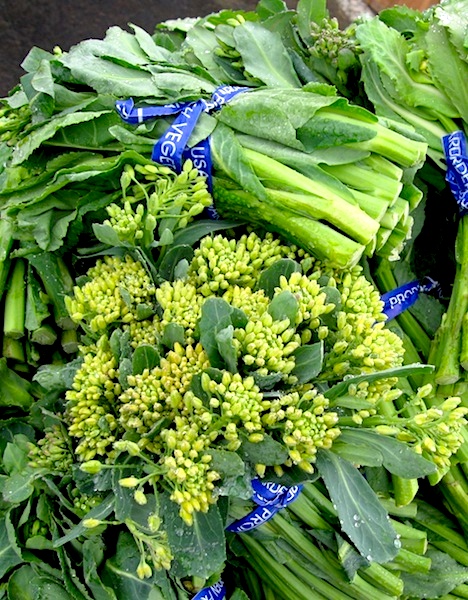
While each of these are from a common family there are slight differences in taste between them. With each, you are meant to eat the stems, buds and leaves, making them very easy to prep for cooking. Don’t be alarmed if the buds have begun to show their yellow flowers. Some feel that the flowers are a sweeter version of the parent plant.
All of the aforementioned brassicas are excellent roasted, sautéed or lightly steamed. We don’t recommend boiling because it is easy to overcook the leaves in boiling water. The usual additions of garlic and a pinch of red pepper flakes makes for an easy and delicious preparation. Finish your dish with salt and pepper to taste and a squeeze of fresh lemon juice.
We also suggest that you try tossing your raabs with a balsamic vinegar reduction. The reduction’s sweet finish balances the bitter quality of the greens. We like to keep a balsamic reduction in the refrigerator to have on hand as needed. It is delicious drizzled on salads, fresh vegetables, fish and meats.
Basic Balsamic Vinegar Reduction
2 c. balsamic vinegar*
Boil in a small saucepan until reduced by half (one cup). You can continue to boil for a thicker glaze type consistency. You may add a clove of garlic, minced, or fresh herbs such as thyme. Be sure to strain those out before storing.
* Note: Bottles of balsamic vinegar on store shelves labeled "Balsamic Vinegar of Modena" are a commercial grade product made of wine vinegar with the addition of coloring, caramel and sometimes thickeners like guar gum or cornflour. Authentic balsamic vinegar, labeled "Aceto Balsamico Tradizionale di Modena," is produced from the juice of just-harvested white grapes (typically, Trebbiano grapes) boiled down to approximately 30% of the original volume to create a concentrate or must, which is then fermented in a slow aging process which concentrates the flavors.













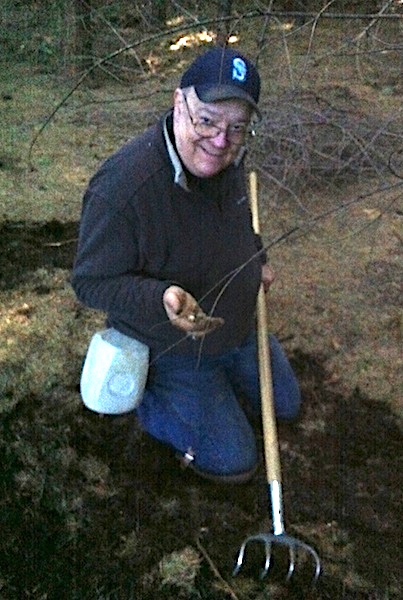 If you want to know about the fungus among us, there is no better guide than mushroom guru Jack Czarnecki, founder with his wife Heidi of the famed
 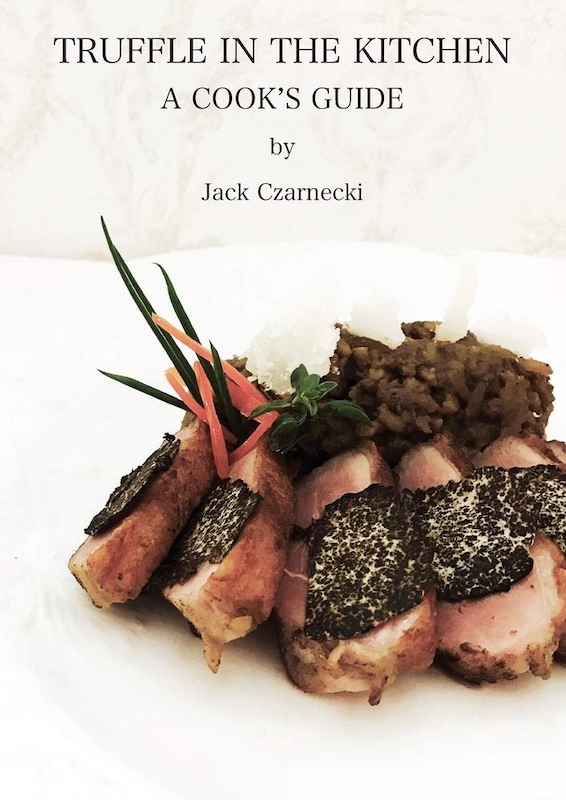 His latest effort is a cookbook, for sure, full of simple-to-prepare basics like truffle butter and oil, as well as what he terms "atmospheric infusions," along with recipes for main dishes and even desserts. But it also delves deeply into Czarnecki's background as a bacteriologist, discussing his theories on the complex relationship between our physiology and how it interacts with that of the truffle.
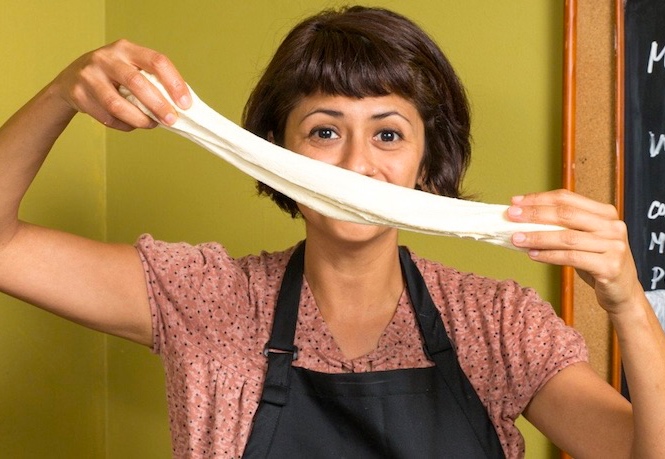 No one I know has worked harder to spread the gospel of cheese and how easy it is to make at home than local cheese maven
 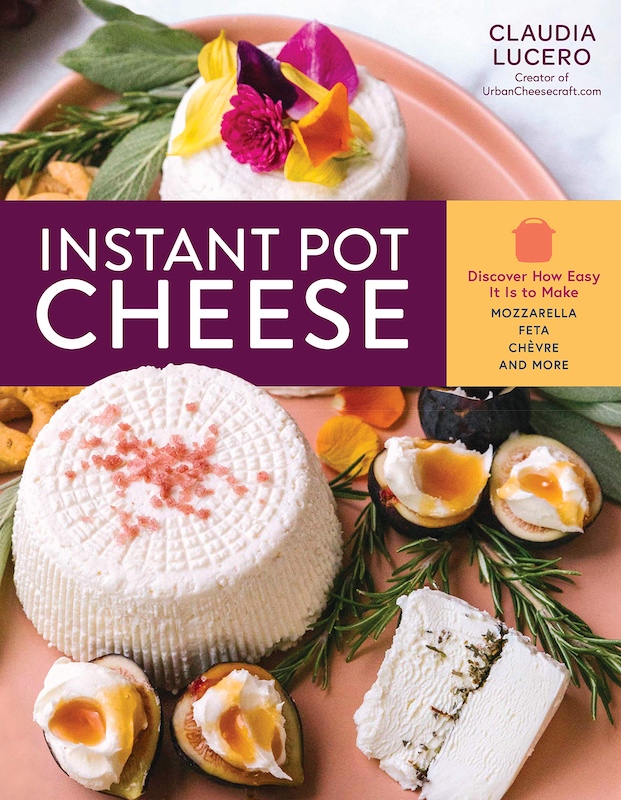 The viral success of the Instant Pot cooker got Lucero to thinking about how this appliance might be used to make cheese. After all, it can be used to do just about anything: caramelize onions, boil eggs, steam rice, so it seemed sensible to her that the cooker's accurate and consistent temperatures should make it an ideal tool for cheesemaking.
 I first became acquainted with James Rebanks through, believe it or not, his
 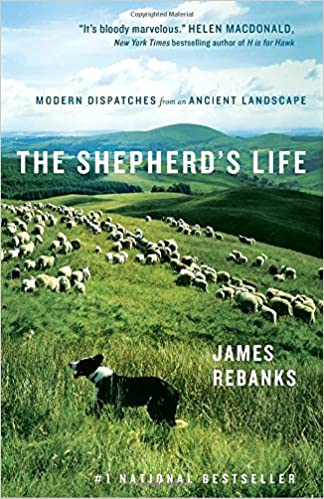 Deeply rooted in the land Rebanks' family has farmed for generations,
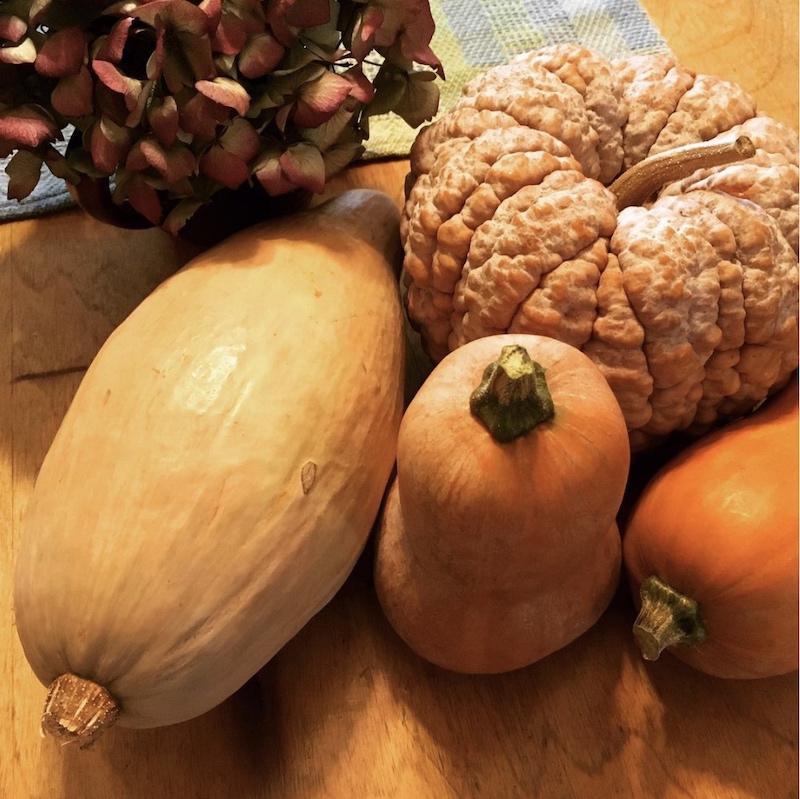
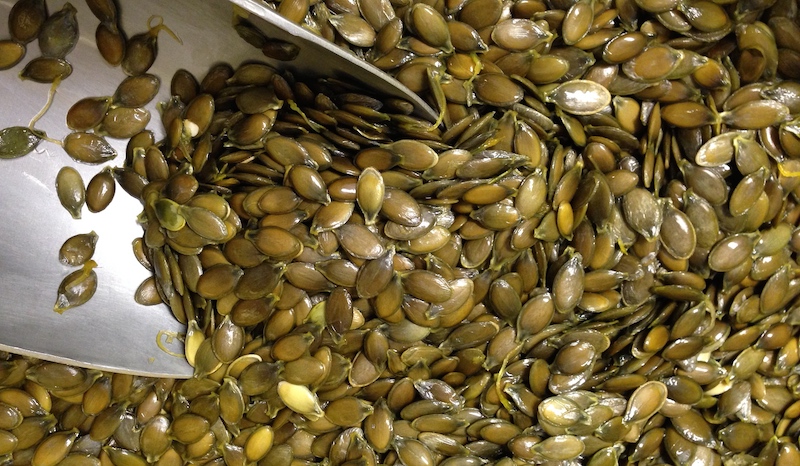
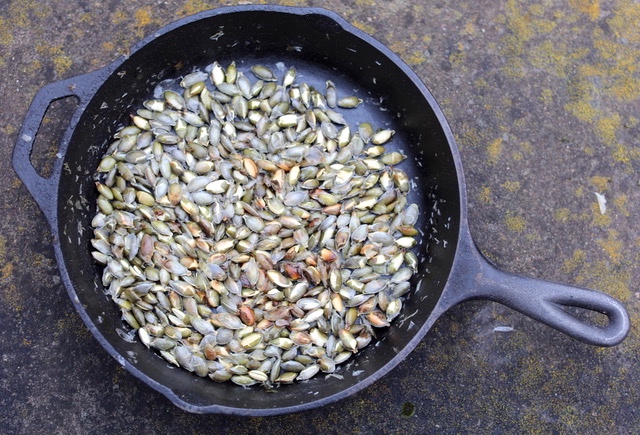 Styrian pumpkin seed oil, kürbiskernöl, is a Protected Geographic Indication (DOC, AOC equivalent) reserved for oil pressed from seeds grown in Styria. There are especially adapted machines for harvesting the fruits and extracting their seeds. For extraction of the oil, the washed and dried seeds are milled, turned into a paste with addition of water and salt, roasted and then pressed for their oil. As with other finely-crafted foods, other places have scrambled to find ways to cut corners and manufacture something cheaper, lacking the spirit of the original.
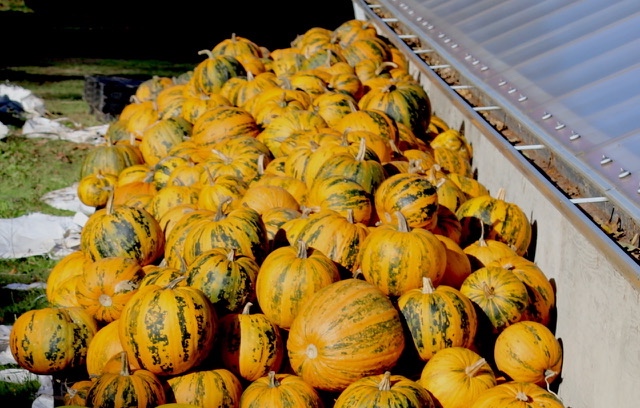 Those original purchased seeds were a messy lot as well, producing seeds with qualities that made them less than desirable for simply eating whole. More widget thinking. Most problematic were seeds that split or germinated in the fruit; some even had roots. These seeds contained the bitter compound cucurbitacin and spoiled one’s gustatory moment. These very bitter, toxic compounds are water-soluble, so they may not affect quality of the oil, but when chewing the seed their awfulness lingers. The seeds also varied in size and some retained a hard rim detracting from their pleasure for consumption as whole seeds. Undeterred, we decided to embark on improving the plant's genetics and our management of the fruits.
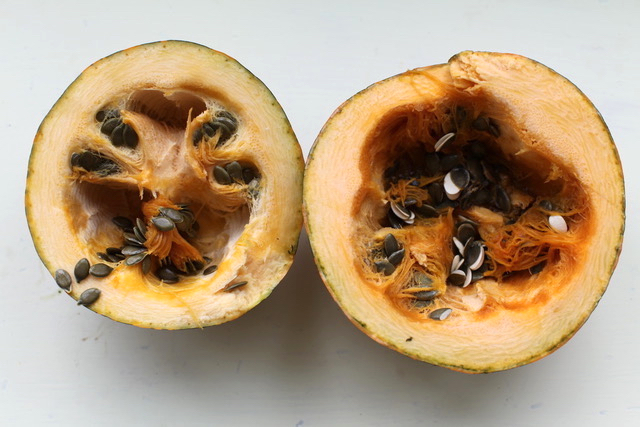 Fruits in the Cucumber family typically have three placentas forming six paired rows of seeds, easy to see in the lefthand fruit. (That fruit is not very interesting, aside from being a perfect fruit for setting aside as a seed source. For our purposes, an uninteresting pumpkin is the gold standard.) Each placental pair is usually pollinated by a cluster of pollen grains from a single plant. You see this by looking closely at the interesting fruit on the right. The seeds in the lower lefthand placental pair have not split, while the seeds of the other two pairs have opened up showing their white cotyledons. This shows that the splitting of the seeds in the fruit has a genetic component. The observation means we can reduce seed splitting by selecting against the trait.
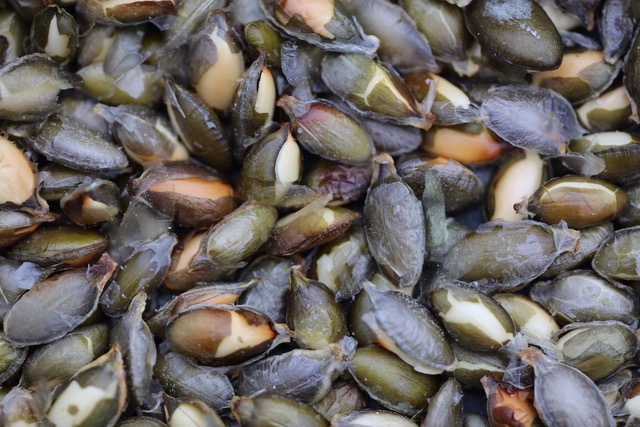 Alas, as those seeds dried they smelled exactly like vomit, an awful odor that lingered even when they were dry. We ended up giving nearly 150 pounds of dried pumpkin seeds to our friend’s pigs. A very expensive loss for us. Just the harvest, extraction, cleaning and drying of a pound of seeds required a half hour of labor. That did not include the growing of the plants, an additional expense. The last two years entailed taking baby steps to figure out where we went wrong.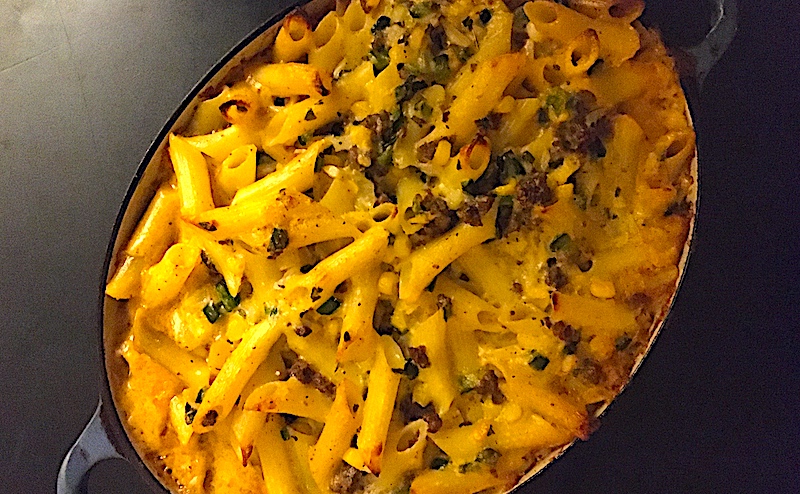
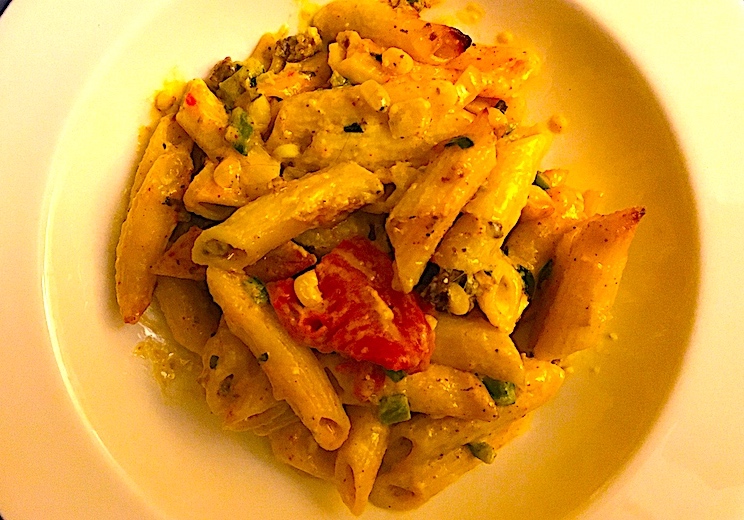 And when you're in the middle of a pandemic and can't pop out to the store to pick up some ingredients on the fly to make a special dish, it's especially necessary to be creative with what you've got on hand. Which is where casseroles or stir-fries come in handy, since they cover all the food groups—starch, veg, protein—and are warm, belly-filling and can be zhooshed with spices, herbs and condiments to tickle any palate.